
Eugenio Hendro, an internationally-recognised Indonesian product designer, has always had a great eye for detail, a love of exploration, and a fondness for his native culture. Spotlighting his Colette collection, designed in collaboration with ROA, and the Winnow collection designed for Every, a furniture brand in Jakarta, Asia Designers Directory connects with Eugenio to learn more about his designs.
You possess a keen eye for details and tend to embrace traditional workmanship in modern designs. Can you share with us your design influences?
My design journey is a reflection of how I’m trying to find and understand my role as a human being in this world. To find myself, I need to understand where I came from, my background, and what makes me who I am. With this mindset, I was able to see lots of things in the everyday activities around me. These things inspire me. I was inspired to create a table by a small hand gesture of people welcoming their guests to their homes. A traditional hairpin from Java inspired me to create a chair with a feminine silhouette. The furniture collection Minahasa is conceived when I recall the town I grew up in.
So my design inspiration is never far away. They are fragments of my everyday memories. It could be the colour, shape, technique, or even landscape and feelings.
I fell in love with traditional workmanship because I could feel the passion of the artisans and crafters when they create. And when you see and understand more and more about what they are doing, you can feel their wisdom not just about creating but also about living, sharing, and, most importantly, about being human.
In some ways, I’m attempting to reintroduce these often overlooked or dismissed wisdom to a younger audience through a more relevant function and modern visual.
Today, more designers are celebrating their cultural roots and showcasing traditional workmanship in their designs. As an award-winning designer, what do you think are the challenges in modernising traditional crafts and preserving them?
What I’ve learned so far is that not all traditional craftsmanship can be modernised. When the world evolves, some things will be considered irrelevant and not suitable for our lives anymore. Ways of creating objects also evolve. Some can be upgraded, and some cannot.
What is more important for me is to learn and understand why an object was created. What are the thoughts, and what problem has it tried to solve?
I see a lot of designers who only use traditional craft as a gimmick or see it as a trend without fully understanding the real value of it, and without a full understanding of what we absorb into our design, we can only create something superficial. Shallow, and worse, degrading the wisdom that traditional craft is supposed to teach us. As a designer, We need to be smart and look into the future, but also respect the past.
It was never just about the visuals; it was also about context and a way of thinking.
In other cases, exaggerated tradition is dangerous. It can potentially destroy the tradition itself. So as a designer, we need to be aware of these things and find balance when designing with traditional or cultural references.
Colette and Every are some collections that you’ve recently exhibited. Please share the source of inspiration for these collections.
Colette is a table and bench made of mixed materials. Colette is made of copper wire, leather, and threads, hence the name.
In 2018, I met Taufan, a designer and artisan who works with weavers in central Java. We both believe that traditional crafts should be approached with a modern twist. We then collaborate and challenge ourselves to create something we’ve never done before. When the light hits the metallic weaving of Colette, it glisters as if it were embers from burned charcoal. And that was exactly the inspiration for it. We both want to mirror Alexander McQueen’s collection – bold, dramatic, and fragile at the same time.
The wood part has a rough texture, almost mimicking the texture of charcoal. The entire process of making Colette was done by hand – handwoven, handcrafted and assembled.
With Colette, we want to create something that is based on traditional techniques but done in such a modern way that it no longer has the “old” visuals to it. It feels contemporary – almost like an art piece.
-
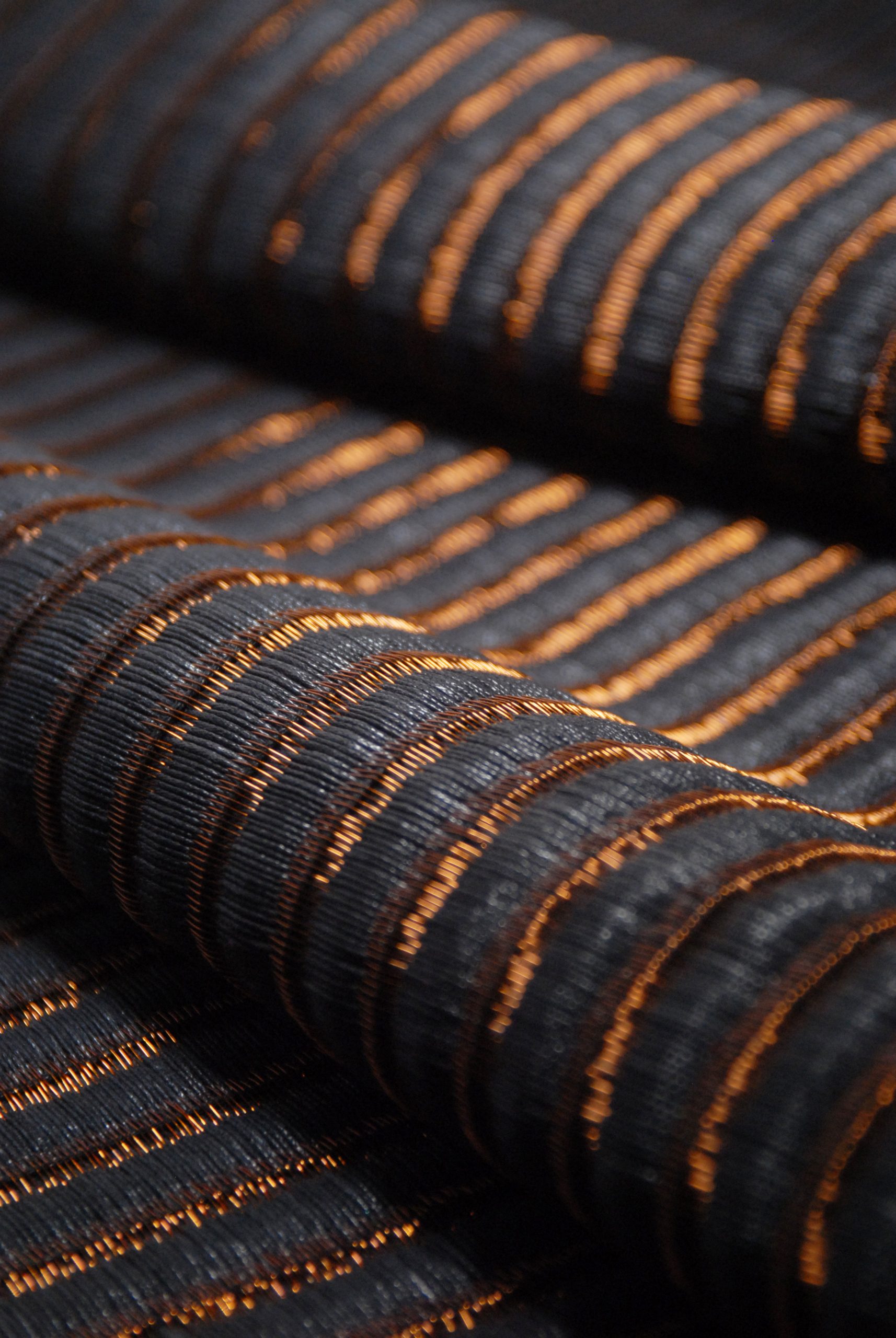
- Eugenio Hendro x ROA [COLETTE] © EUGENIO HENDRO Design Studio
-
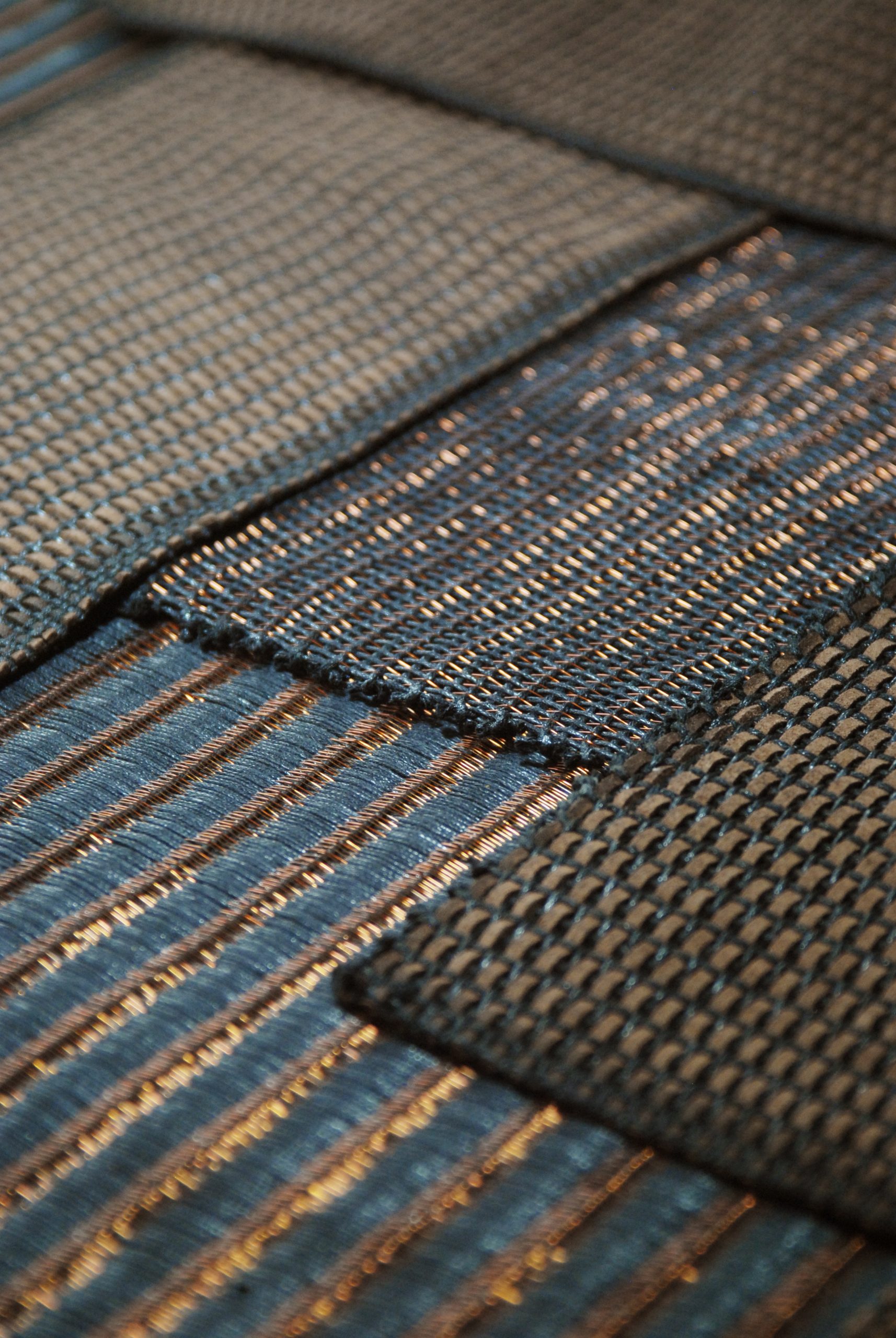
- Eugenio Hendro x ROA [COLETTE] © EUGENIO HENDRO Design Studio
While Winnow, which we designed for Every, a furniture brand in Jakarta, was inspired by the winnowing basket, a common tool in Southeast Asia.
We picked the most noticeable detail, which is the rattan knots around the brim of the basket, and created a table with the same detail. Because we want the weavers to connect with the modern market, the knotting and weaving processes are still done by hand. We chose winnow as an inspiration because we want our products to convey a sense of nostalgia. The feeling of familiarity is what makes it approachable and warm. In this case again, you can see that our product takes inspiration from the past and transforms it into fully functional contemporary furniture fit for urban lifestyles.
-
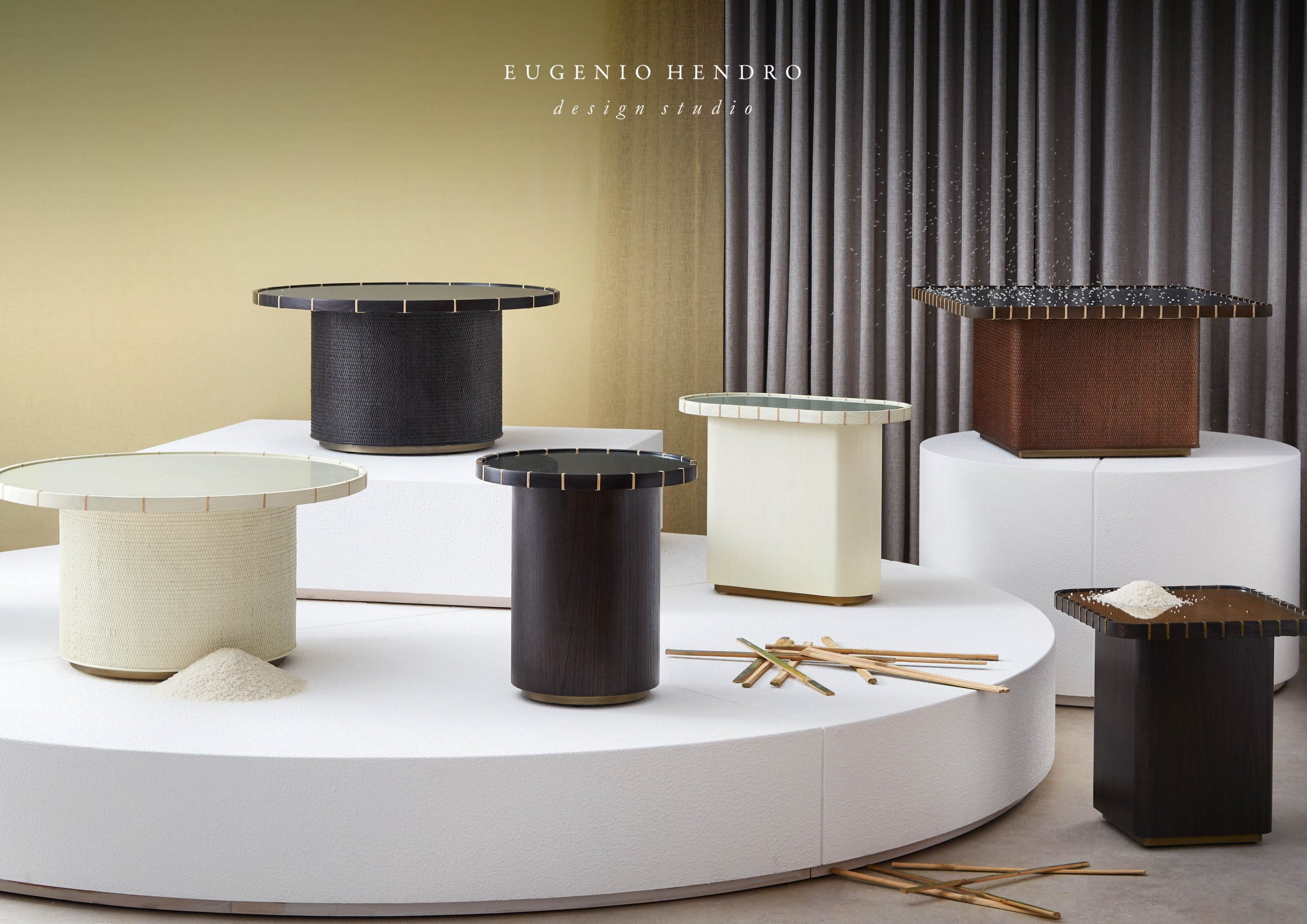
- WINNOW Table Series © EUGENIO HENDRO Design Studio
-
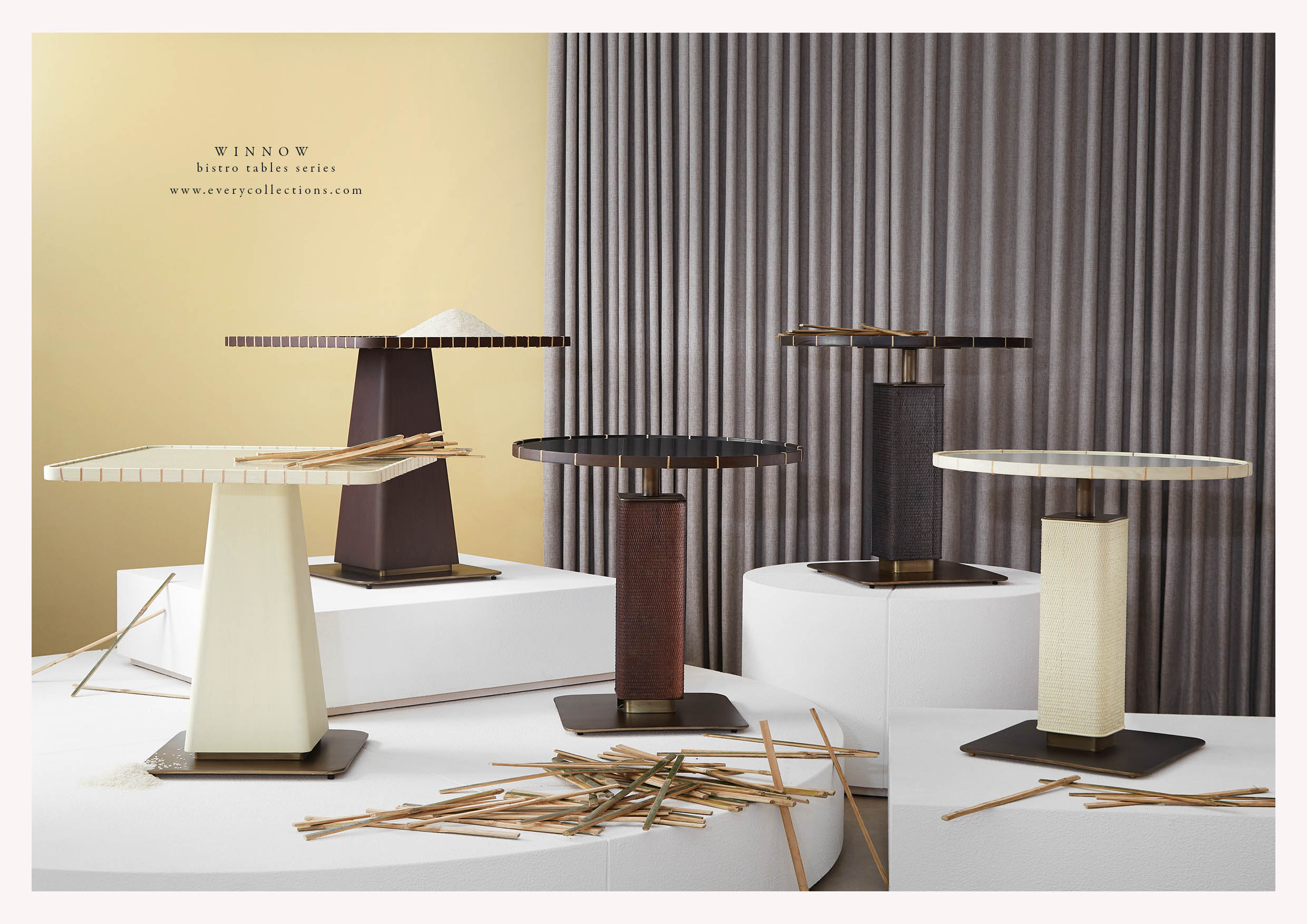
- WINNOW Table Series © EUGENIO HENDRO Design Studio
-
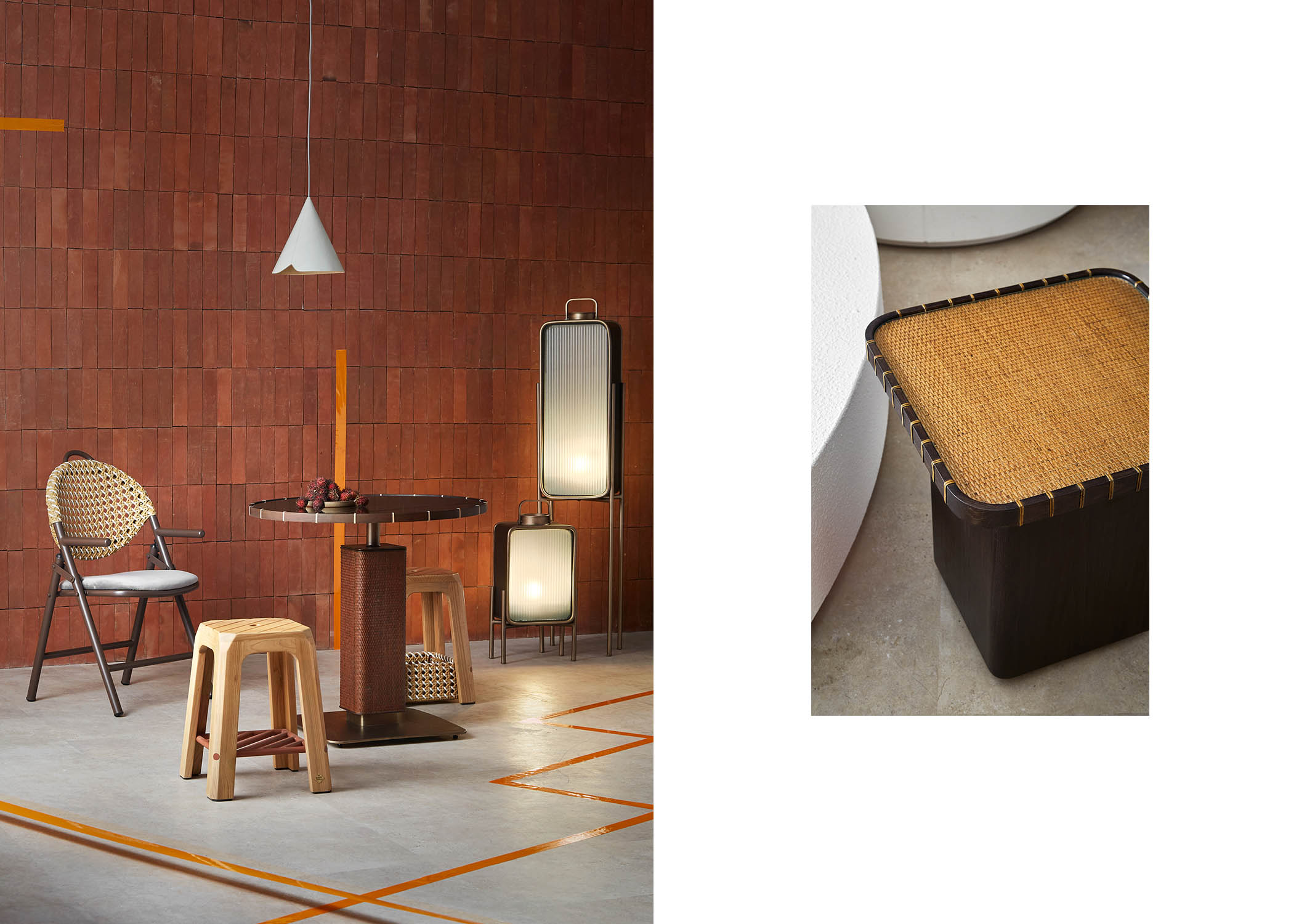
- WINNOW Table Series © EUGENIO HENDRO Design Studio
-
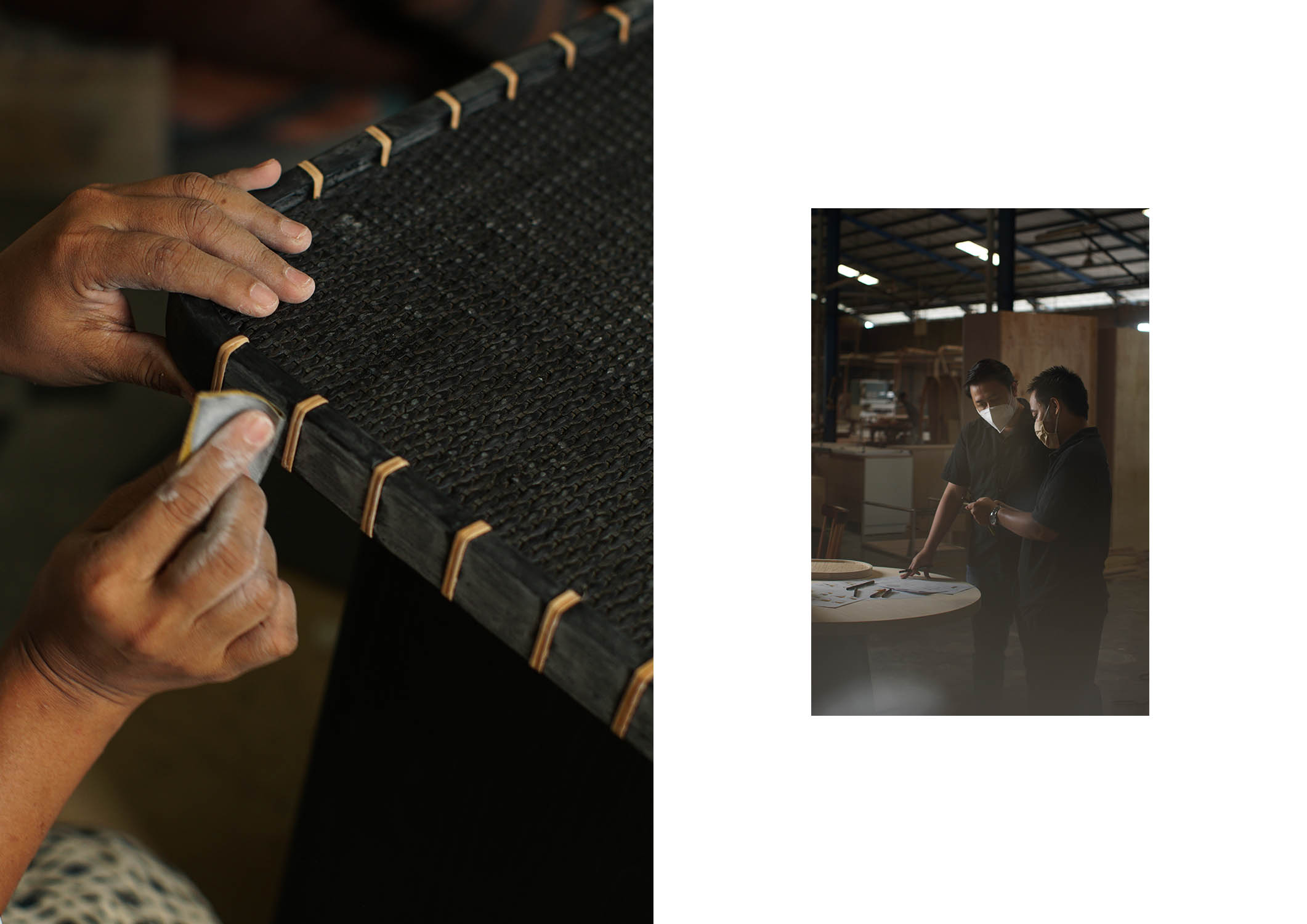
- WINNOW Table Series © EUGENIO HENDRO Design Studio
How have you evolved as a designer over the years and how do you think that shows up in your designs?
Over the years, I’ve evolved so much by trying different skill sets. My understanding of traditional craftsmanship also grew. I’m not just satisfied with what’s on the surface; I’m also trying to figure out the morals and thoughts behind it. I guess the way I look at things is deeper now.
At this early stage, my design seems to be heavy on visuals and concepts. However, it is now cleaner, simpler, louder, and deeper in concept. No unnecessary ornamentation or exaggerated proportions, but rather something more subtle and relevant. It gives solutions to problems in a humble way.
What advice do you have for budding designers?
For budding designers, I suggest searching and finding out who you are and what your calling is in life before you design for others. By understanding yourself, you understand a lot of things.
Do not follow trends because they are a stumbling block to our creativity. Design from within; focus and sharpen your empathy, because that is your compass in design.
Design responsibly because there is far too much garbage and waste material as a result of haphazard design. Be the solution, and don’t be afraid of failing. Sharpen your design skills by exposing yourself to the real problems of the world.
-
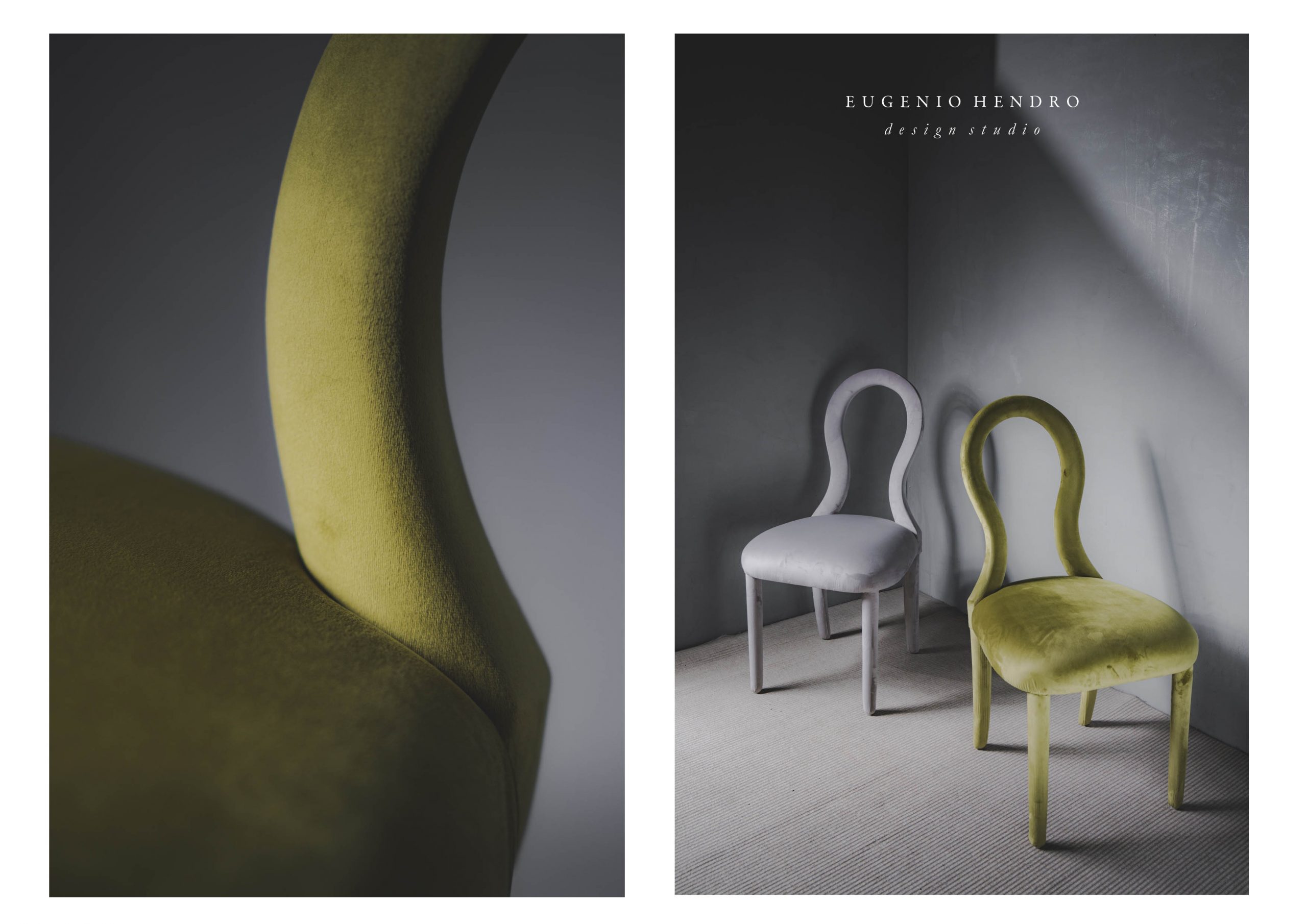
- Opal Chair for BIKA, Pameran Kursi © EUGENIO HENDRO Design Studio
-
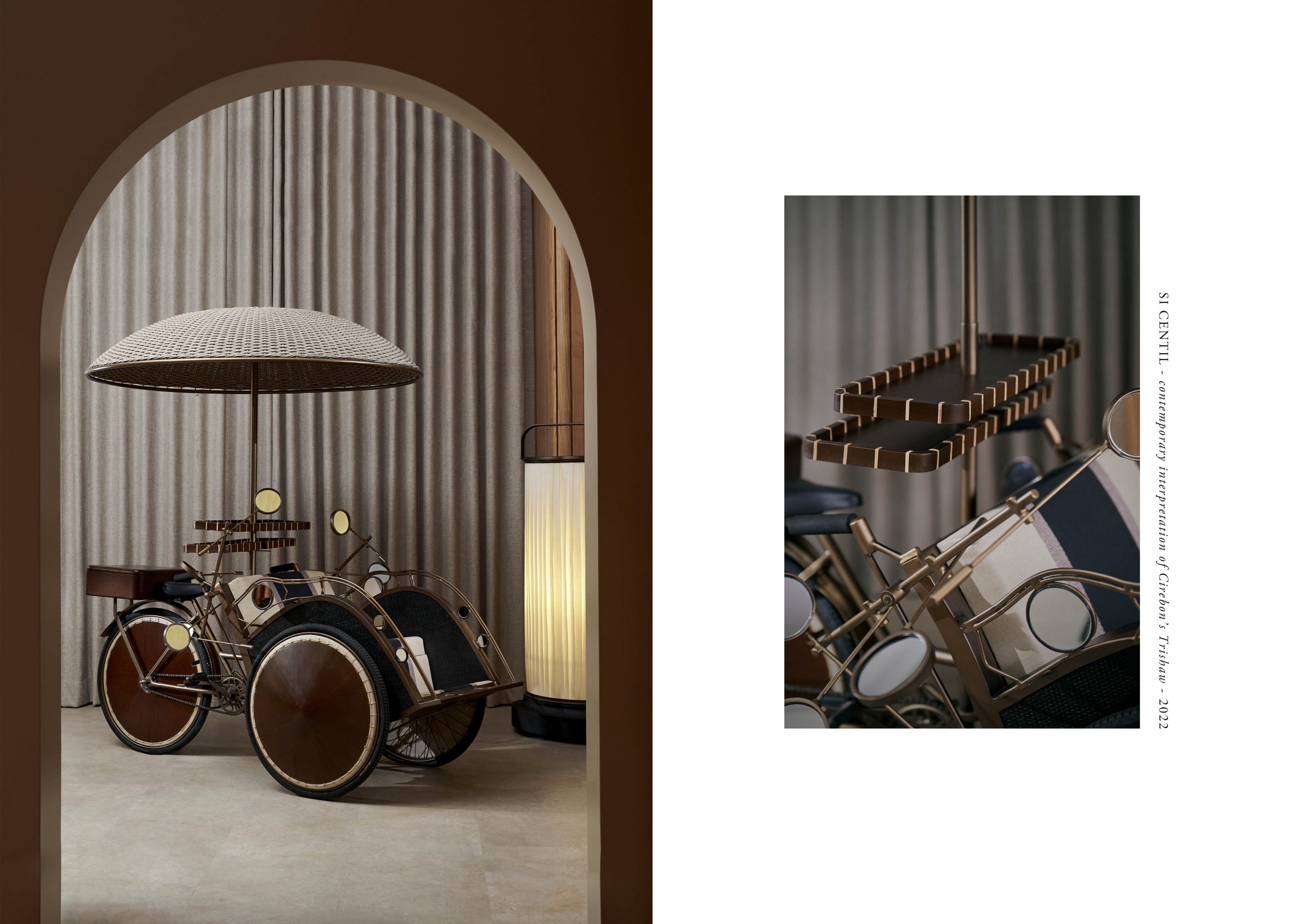
- Becak – Si Centil for EVERY © EUGENIO HENDRO Design Studio


