Niwa Hiroyuki is a distinguished figure in contemporary interior design. As founder of his own design practice and Chairman of the Japan Interior Designers’ Association (JID), Niwa has shaped not only spaces but the profession itself. His work is renowned for converging creativity with practicality and for storytelling that reflects cultural depth and human experience. From transformative commercial headquarters to visionary hotel renovations, Niwa’s projects exemplify a thoughtful approach to space and community. In this interview, Niwa shares insights on his career milestones, evolving design philosophy, and his vision for the future of design across Asia and beyond.
What are the significant milestones in your career, and how have they shaped the course of your work or design approach today?
あなたのキャリアにおける重要な節目は何ですか?
One of the earliest milestones was establishing my own design practice, which gave me the freedom to develop concepts rooted in both creativity and practicality. Another defining moment was my appointment as Chairman of the Japan Interior Designers’ Association (JID), which expanded my perspective from individual projects to the broader role design plays in society. Serving as a jury member for international awards such as the Taiwan Interior Design Award and VMARK has also sharpened my sensitivity to cultural diversity and innovation. These experiences have taught me that design is not just about aesthetics, but about creating meaningful connections between people and space.
それは、現在の仕事やデザインアプローチの方向性 にどのような影響を与えましたか? 私のキャリアにおける最初の大きな節目は、自らのデザイン事務所を設立したことです。これにより、創造 性と実用性の両方を基盤としたコンセプトを自由に展開できるようになりました。もう一つの転機は、日本 インテリアデザイナー協会(JID)の理事長に就任したことです。これにより、個別のプロジェクトを超え て、社会全体におけるデザインの役割を広い視野で捉えることができるようになりました。また、台湾イン テリアデザインアワードやVMARKなど、国際的な審査員を務めた経験は、多様な文化や革新への感受性を 一層高めてくれました。これらの経験を通して、デザインとは単なる美しさではなく、人と空間の間に意味 のあるつながりを創り出すことだと学びました。
-
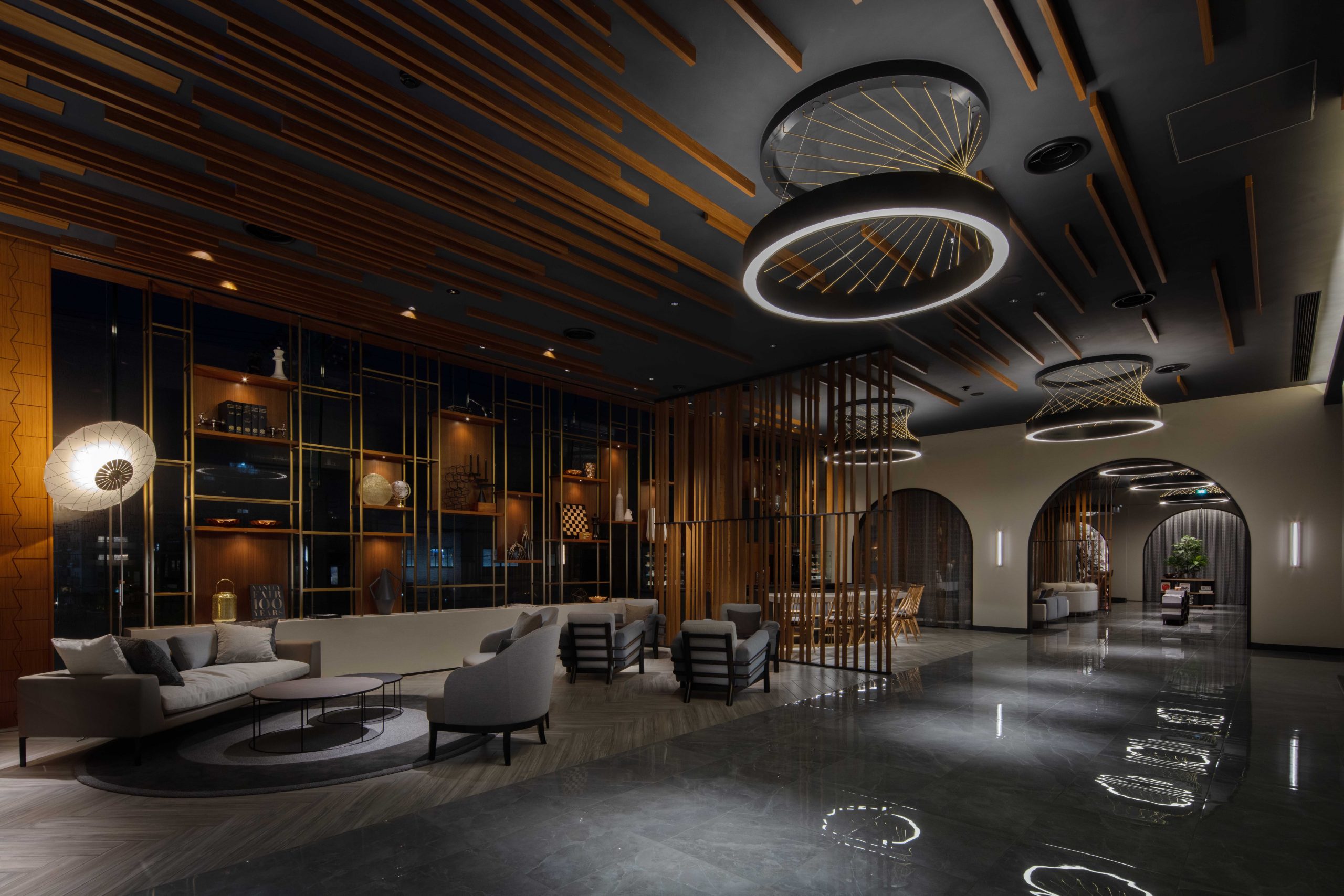
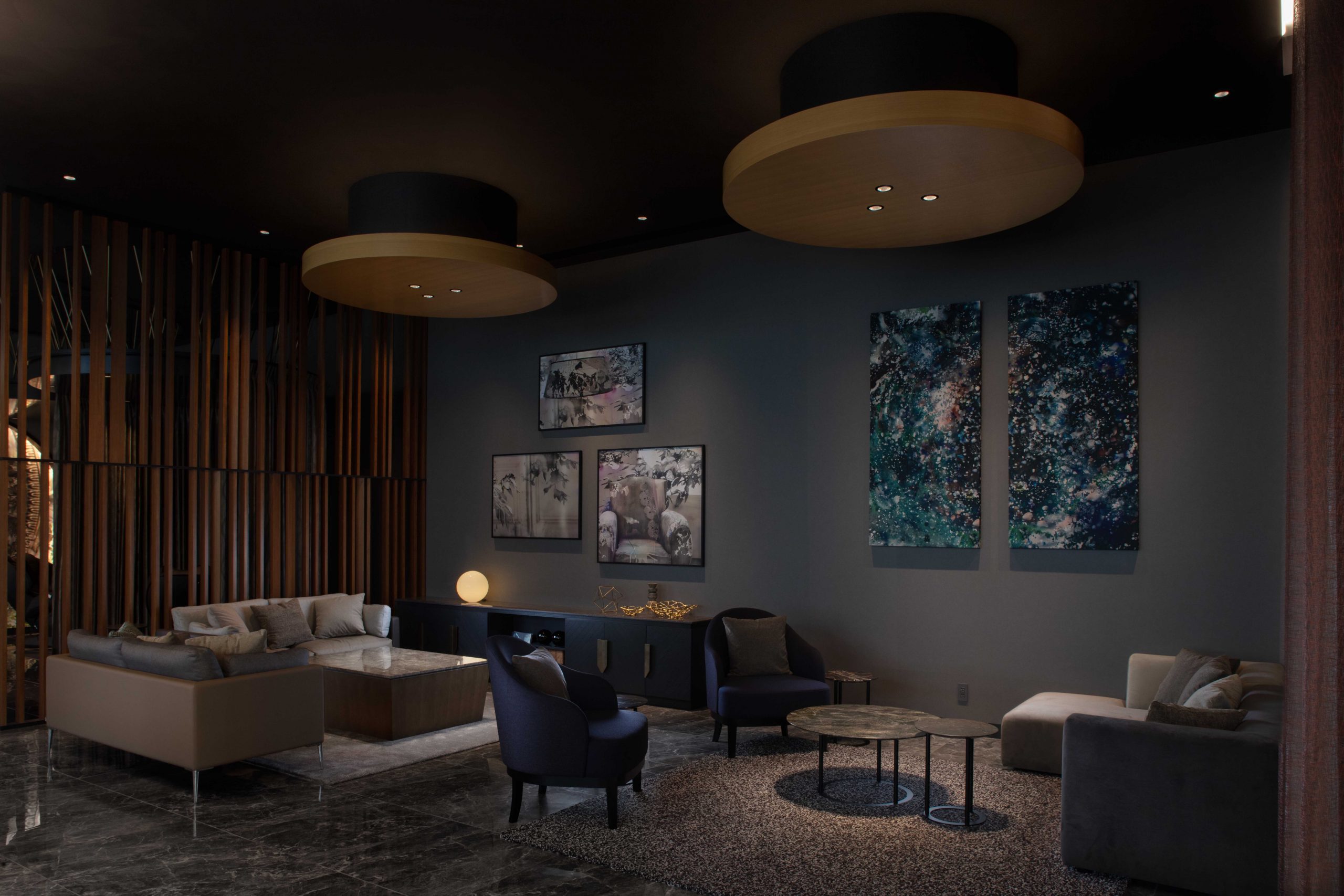
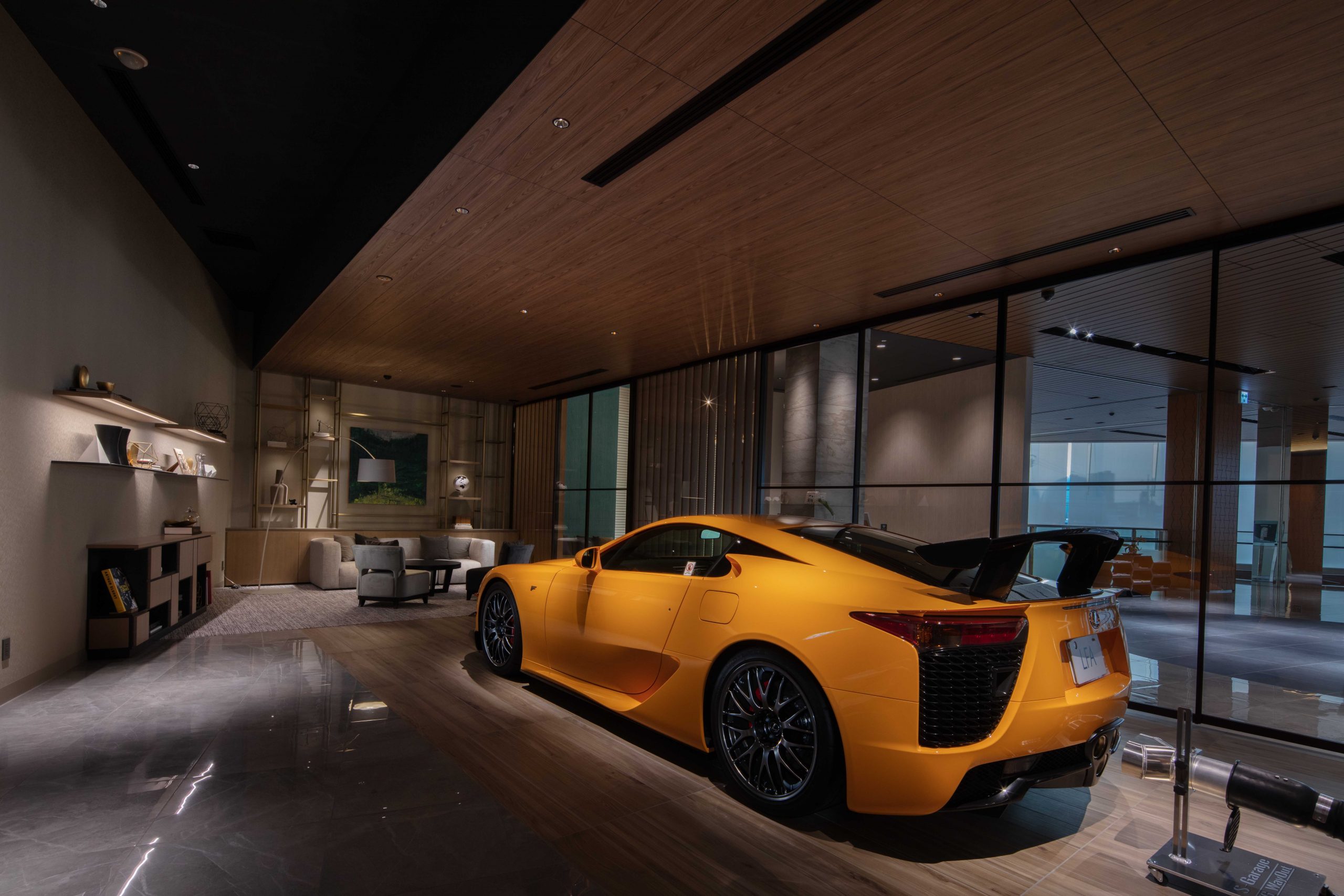
- LEXUS Showa, Nagoya, Japan
How has your design vision evolved over the years and what core principles have remained constant throughout your body of work?
あなたのデザインビジョンは年月とともにどのように進化しましたか?
My design vision has evolved from focusing purely on form and function to embracing the emotional and experiential qualities of space. Over the years, I have increasingly emphasised storytelling in design and creating environments that resonate with a place’s history, culture, and the users’ aspirations. Yet one principle has remained unchanged: the belief that design must serve people. Every project begins with understanding the human experience it will shape.
また、これまでの作品を通して 一貫して変わらなかった核心的な原則は何ですか? 私のデザインビジョンは、形や機能だけに重点を置く段階から、空間の情緒的・体験的な価値を重視する方 向へと進化してきました。年月を経るごとに、歴史や文化、そして利用者の想いに響く環境をつくる「ス トーリーテリング」をデザインに取り入れるようになりました。しかし、一貫して変わらない原則がありま す。それは「デザインは人のためにある」という信念です。すべてのプロジェクトは、その空間が形づくる 人の体験を理解することから始まります。
Tell us about a project that challenged your design beliefs or pushed you to see space in a new way.
あなたのデザインの信念を揺さぶった、または空間の見方を新たにさせたプロジェクトについて教えてく ださい。
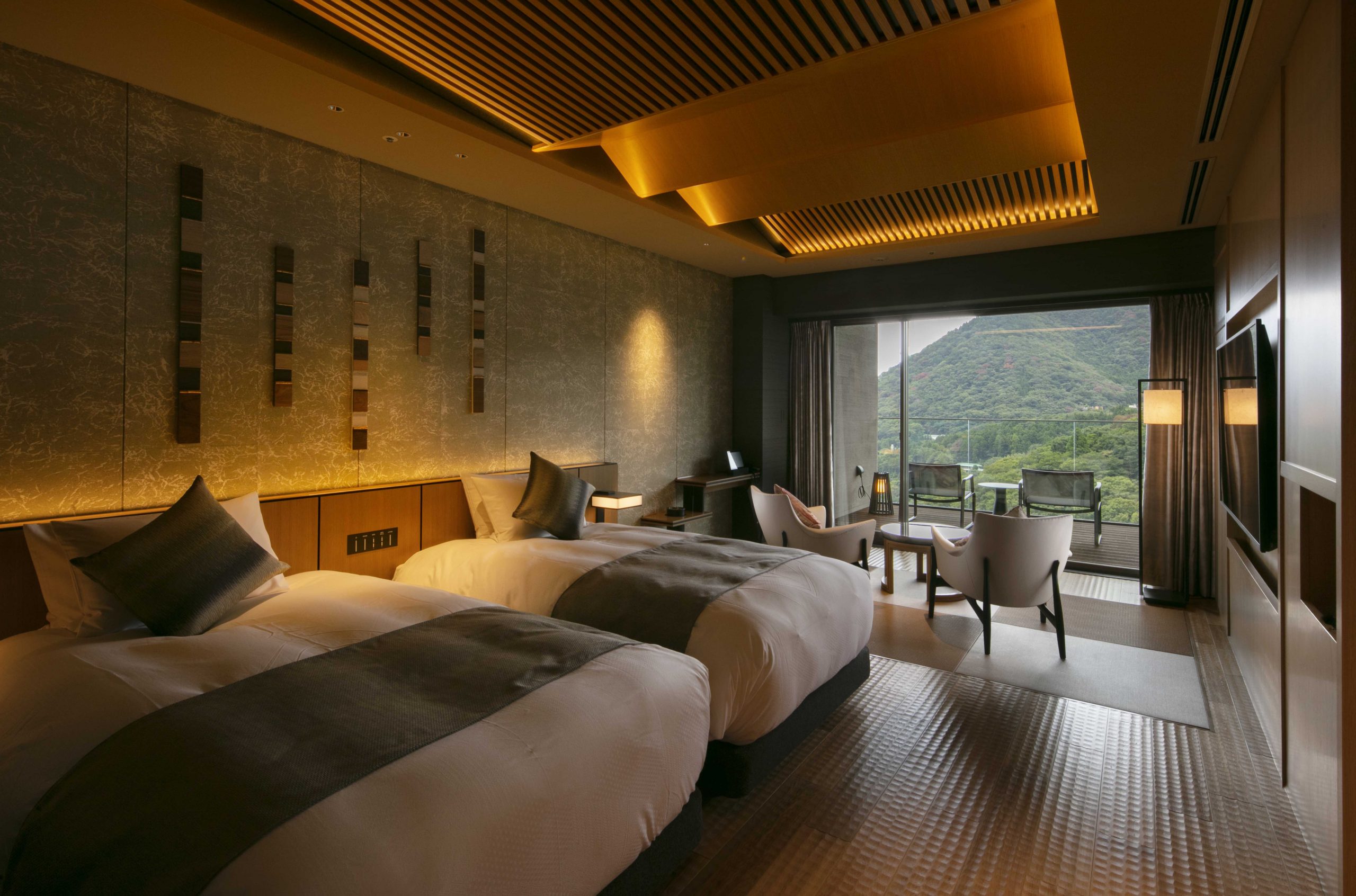
A recent hotel renovation project in Nagoya challenged my assumptions about “boundary” in spatial design. Instead of treating boundaries as simple divisions, I explored them as “in-between spaces” that could connect rather than separate. This approach led to the integration of transitional zones that enhanced both privacy and openness, transforming the flow and atmosphere of the entire property.
最近手掛けた名古屋のホテル改修プロジェクトでは、空間デザインにおける「境界」という概念を見直すこ とになりました。境界を単なる分断ではなく、「つなぐ」ための“中間領域”として捉え、プライバシーと開 放感を両立させる移行ゾーンを設計に取り入れました。このアプローチにより、施設全体の流れと雰囲気を 一新することができました。
Which is your most memorable project and why?
あなたにとって最も印象的なプロジェクトは何ですか? その理由は?
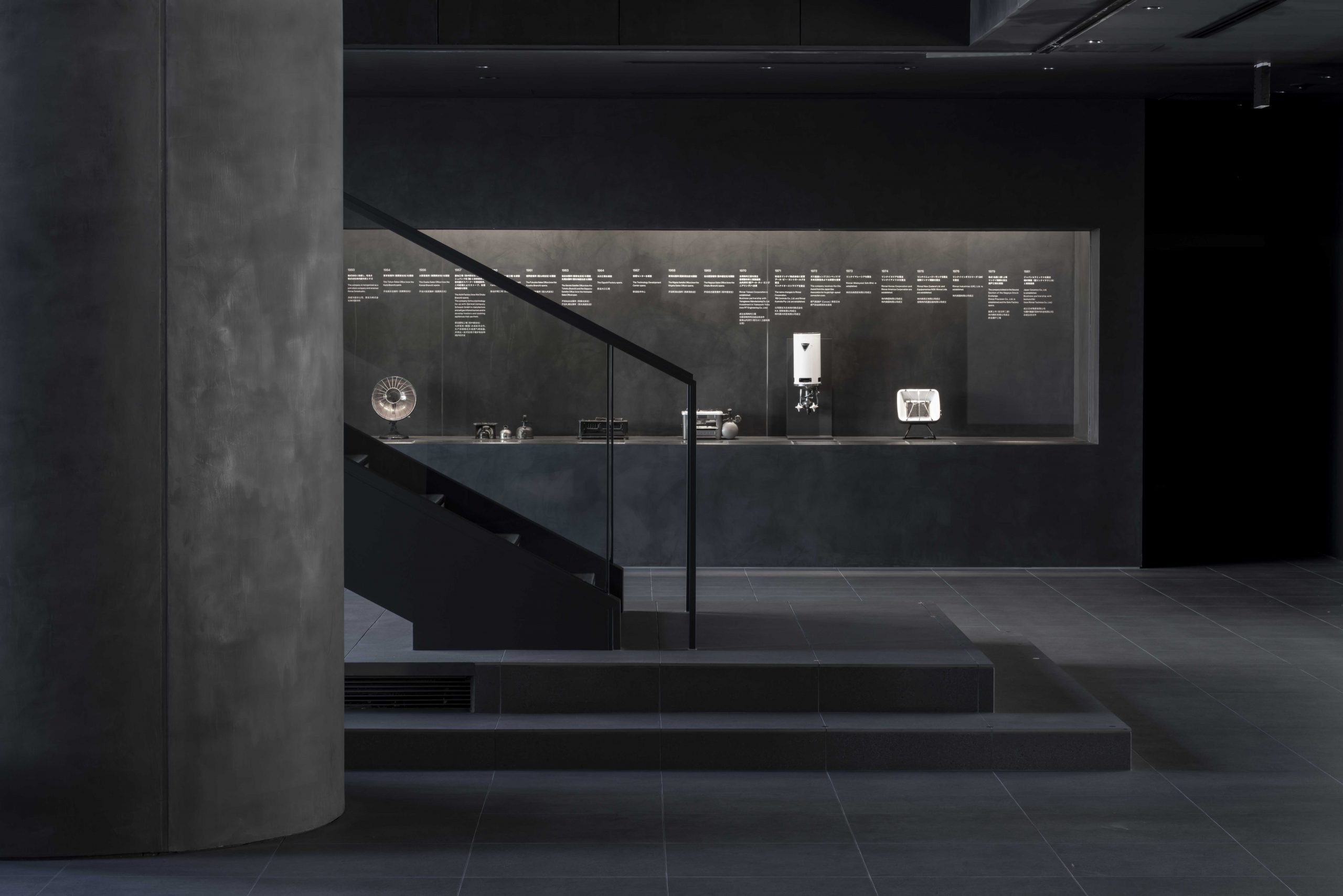
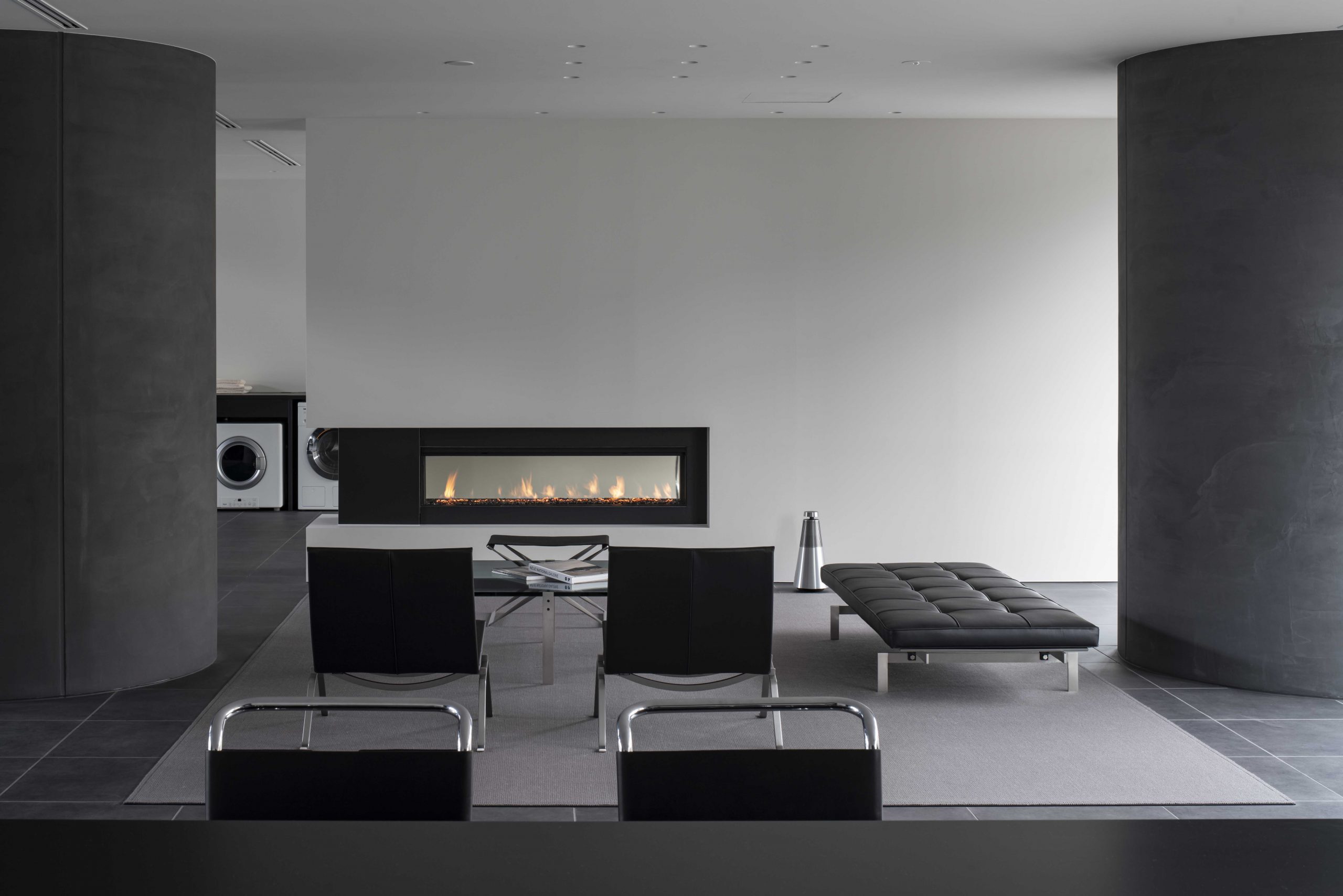
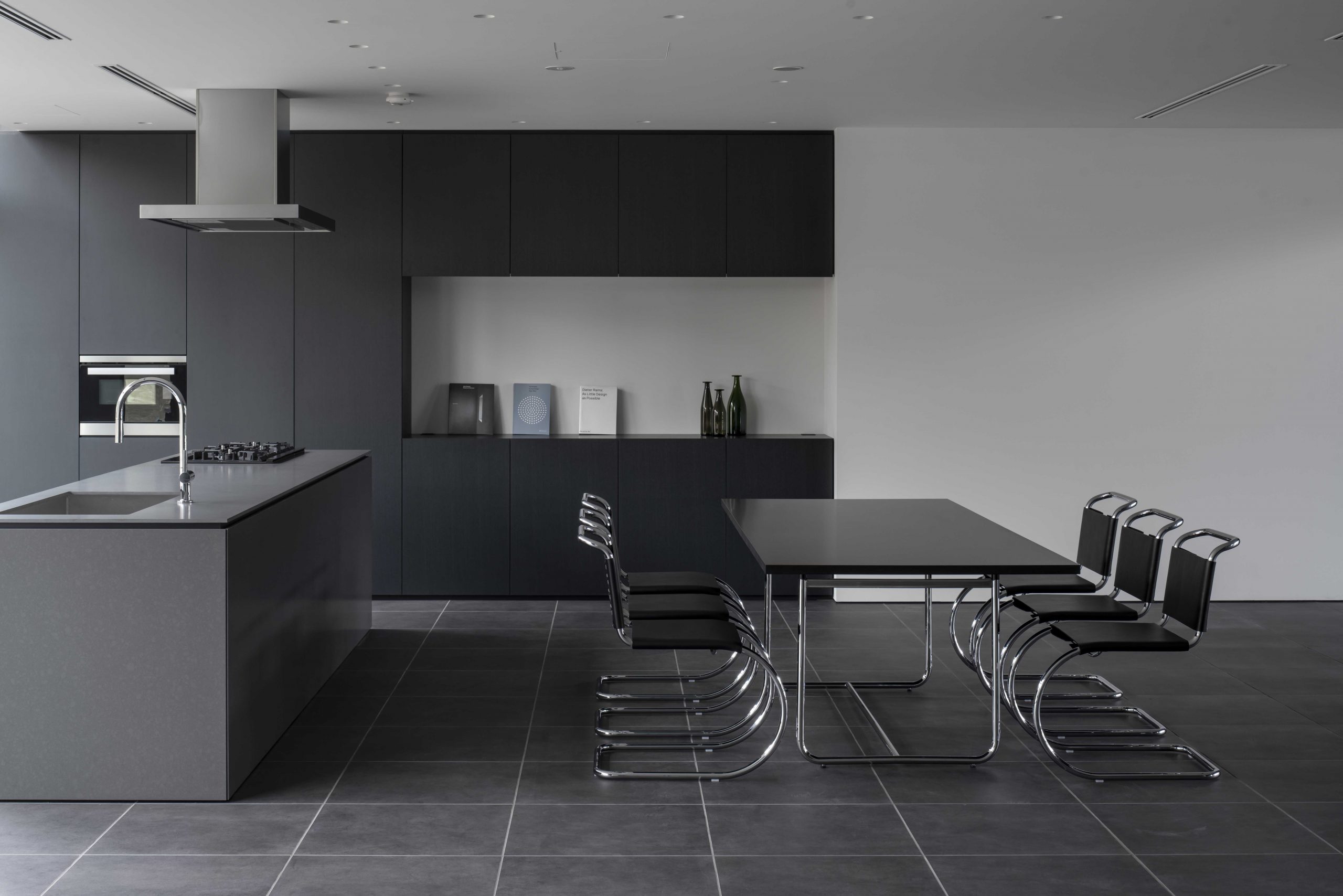
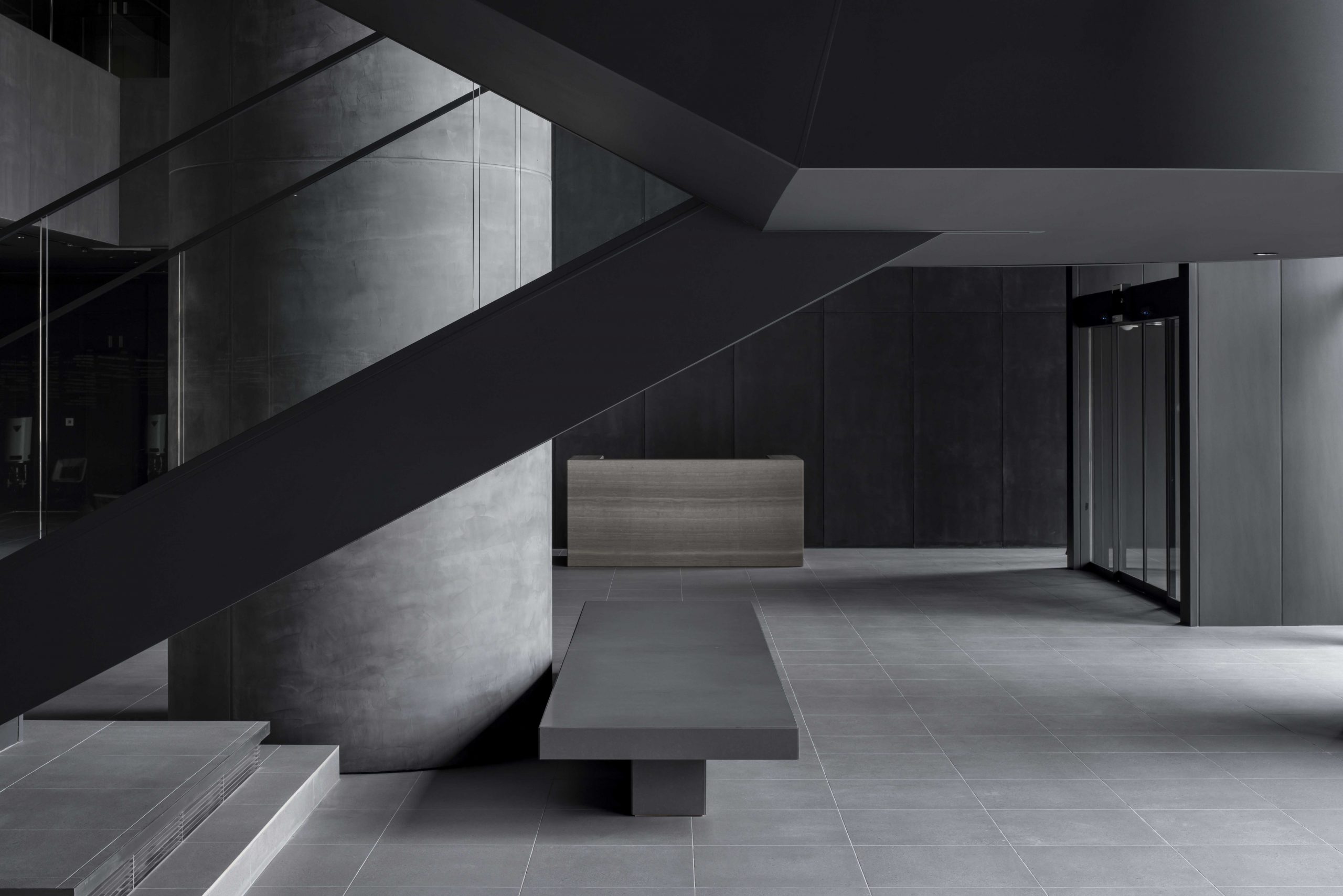
Two projects stand out in my memory for their unique challenges and impact: the Rinnai Headquarters and the Giken Service Headquarters. The Rinnai Headquarters project was part of the company’s centennial celebration, where I reimagined the main entrance and exhibition spaces to embody their brand philosophy combining simplicity with sophistication, and showcasing a century of innovation in a timeless environment. The Giken Service Headquarters was about creating a workplace that fosters collaboration and openness while maintaining a strong corporate identity. The integration of an open atrium, natural light, and versatile spaces transformed it into more than just an office̶it became a hub for creativity and community engagement.
特に印象に残っているのは、リンナイ本社と技研サービス本社のプロジェクトです。 リンナイ本社では、創業100周年事業の一環として、本社エントランスと展示空間を刷新しました。企業理 念である「質実剛健」に基づき、簡素さと上質さを兼ね備えた空間構成とし、100年にわたる革新の歩みを タイムレスな環境で表現しました。 技研サービス本社では、コラボレーションと開放性を促進しつつ、企業としてのアイデンティティを強く感 じさせる職場づくりに挑戦しました。吹き抜けと自然光を活かし、多様な使い方ができる空間を組み込むこ とで、単なるオフィスを超えた、創造性と地域交流の拠点となる場を実現しました。
-
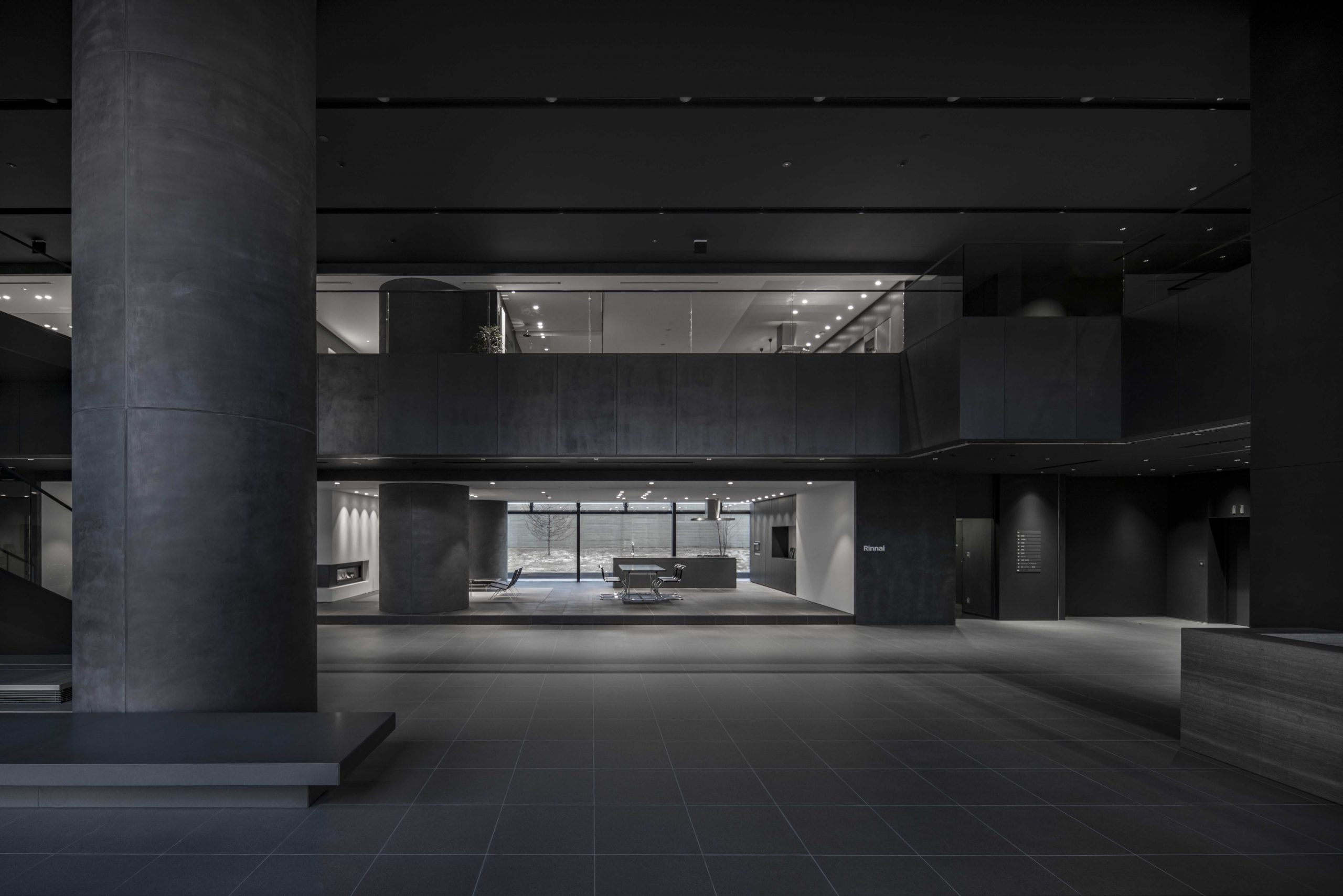
- Rinnai Head Quarter, Nagoya, Japan
As a key figure in both JID and APSDA, how have your roles in these associations impacted your profession?
JIDおよびAPSDAの両方で重要な役割を担ってこられた中で、これらの団体での活動はあなたの職業に どのような影響を与えましたか?
These roles have allowed me to contribute to the profession beyond my own practice. As the Chairman of the Japan Interior Designers’ Association (JID), I have focused on nurturing the next generation of designers and promoting the social value of interior design. Through Asia-Pacific Space Designers Association (APSDA), I have built bridges across Asia, fostering cultural exchange and professional collaboration. Both roles have deepened my understanding of design as a shared language that transcends borders.
これらの役割は、自分の実務を超えて業界全体に貢献する機会を与えてくれました。JID理事長としては、 次世代デザイナーの育成やインテリアデザインの社会的価値の発信に注力しています。APSDAを通じて は、アジア各国をつなぐ架け橋となり、文化交流や専門的な協働を促進してきました。これらの経験は、デ ザインが国境を越える共通言語であることを深く実感させてくれました。
-

- Giken Group, Gifu City, Japan


What are you working on at the moment?
現在取り組んでいるプロジェクトについて教えてください。
At present, I am engaged in a diverse range of projects, including residential and commercial buildings in the Middle East, a furniture showroom in Tokyo, as well as a university student dormitory, private residence and hotel project in Nagoya. Each of these projects presents unique cultural and functional challenges, allowing me to explore new approaches while staying true to my design philosophy.
現在は、中東での住宅および商業ビル、名古屋での大学の学生寮、名古屋での住宅、東京での家具ショールー ム、そして名古屋でのホテルプロジェクトなど、多岐にわたる案件に携わっています。それぞれが異なる文 化的背景や機能的要件を持ち、私のデザイン哲学を維持しつつ新たなアプローチを探求する機会となってい ます。
Looking ahead, what excites you most about the future of design and how do you see your work contributing to design experiences in Asia and beyond?
今後のデザインにおいて、最も楽しみにしていることは何ですか?
I am excited about the growing emphasis on human-centered, cross-disciplinary design that blends technology, culture, and sustainability. I believe my work rooted in cultural sensitivity and spatial storytelling can help shape design experiences that are not only beautiful but also meaningful, fostering a deeper connection between people and place in Asia and around the world.
また、あなたの仕事はアジアやそれ 以外の地域でのデザイン体験にどのように貢献できると考えていますか? 私は、テクノロジー、文化、サステナビリティを融合させた、人間中心かつ学際的なデザインへの関心が高 まっていることに大きな期待を寄せています。文化的感受性と空間の物語性を基盤とする私の仕事は、美し いだけでなく意味のあるデザイン体験を創出し、アジアや世界中で人と場所の深い結びつきを育む一助にな ると信じています。
-
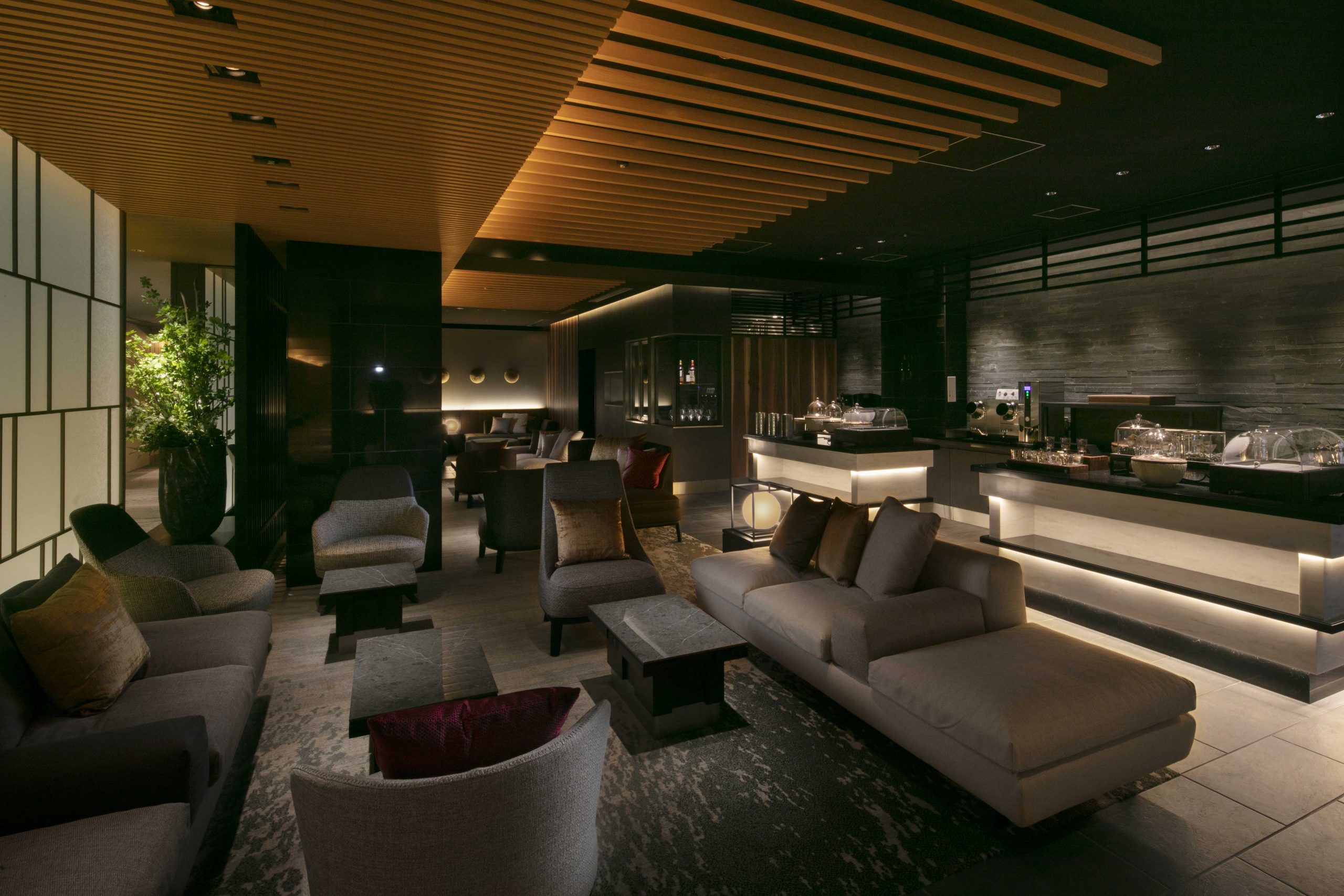
- Hakone Gora Karaku, Hakone, Japan