
Bak Mei is a high-end Shunde cuisine restaurant located in the heart of Zhengzhou, China. For this restaurant, SALONE DEL SALON incorporated the brand’s local cultural roots into the design, employing an artistic and storytelling approach to evoke the quiet elegance of Lingnan garden architecture. This design fosters a deep connection between space and diners, senses and atmosphere, and emotions and settings, creating a ceremonial experience for contemporary banquets.
-
- Photo credit: Sean
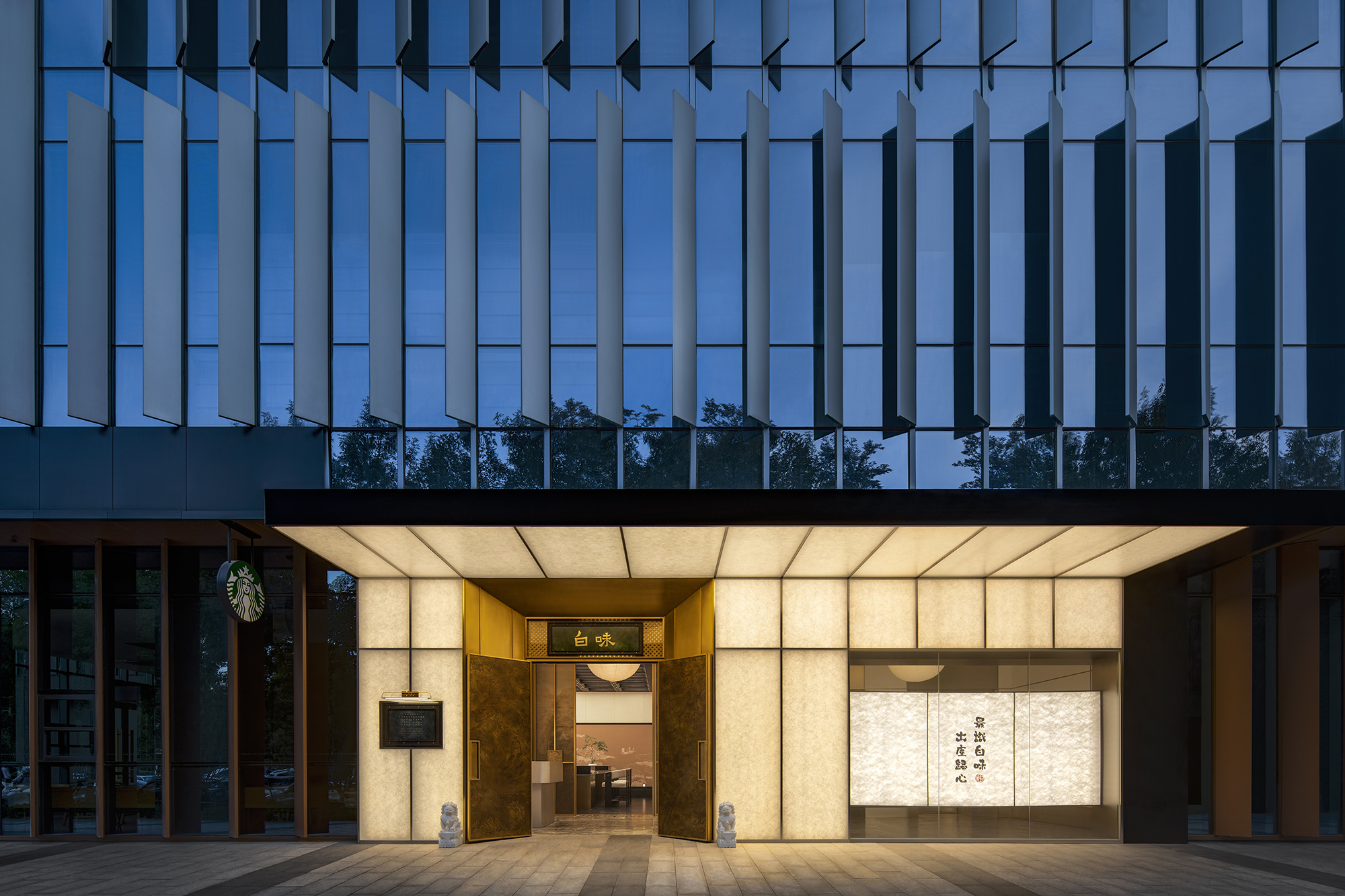
Inspired by Qinghui Garden, one of the “Four Famous Gardens of Lingnan,” SALONE DEL SALON adopted the “Viewing the Garden” concept. The space is organised with a three-entry courtyard layout comprising a “water courtyard,” a “flat courtyard,” and a group of “courtyard houses.” From the front yard to the backyard, the space transitions from spaciousness to seclusion, each step revealing the poetic interplay of objects, scenes, and forms.
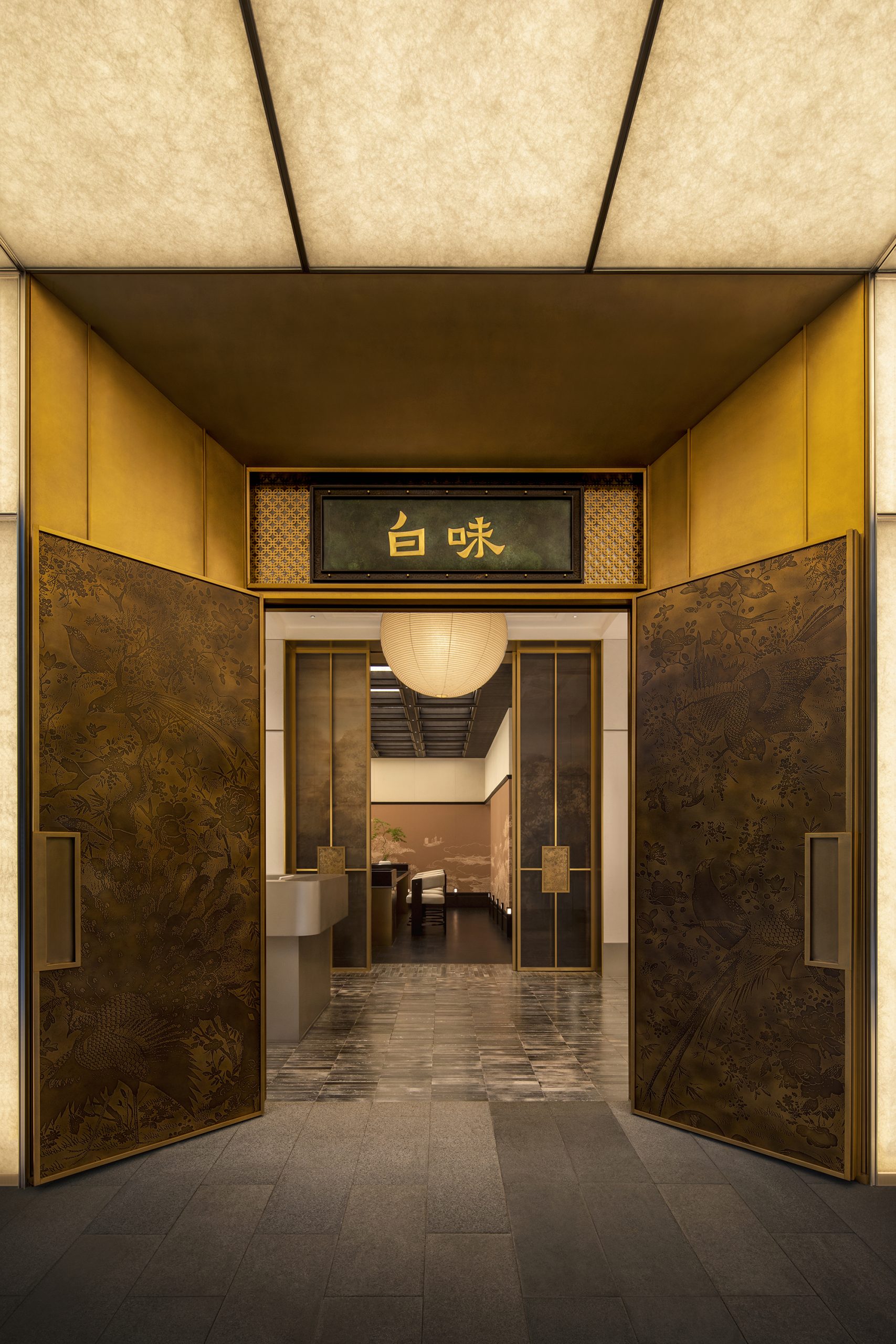
Situated in a tranquil location amidst the bustling city, the restaurant’s entrance features a stately bronze door near the street, intricately etched with floral and bird motifs inspired by Lingnan embroidery, exuding a retro and elegant charm. Bronze signage and floodlit slogan highlight the brand’s identity, while the subdued gold tones and warm lighting create a welcoming ambience to guide guests into the space.
-
- Photo credit: Sean
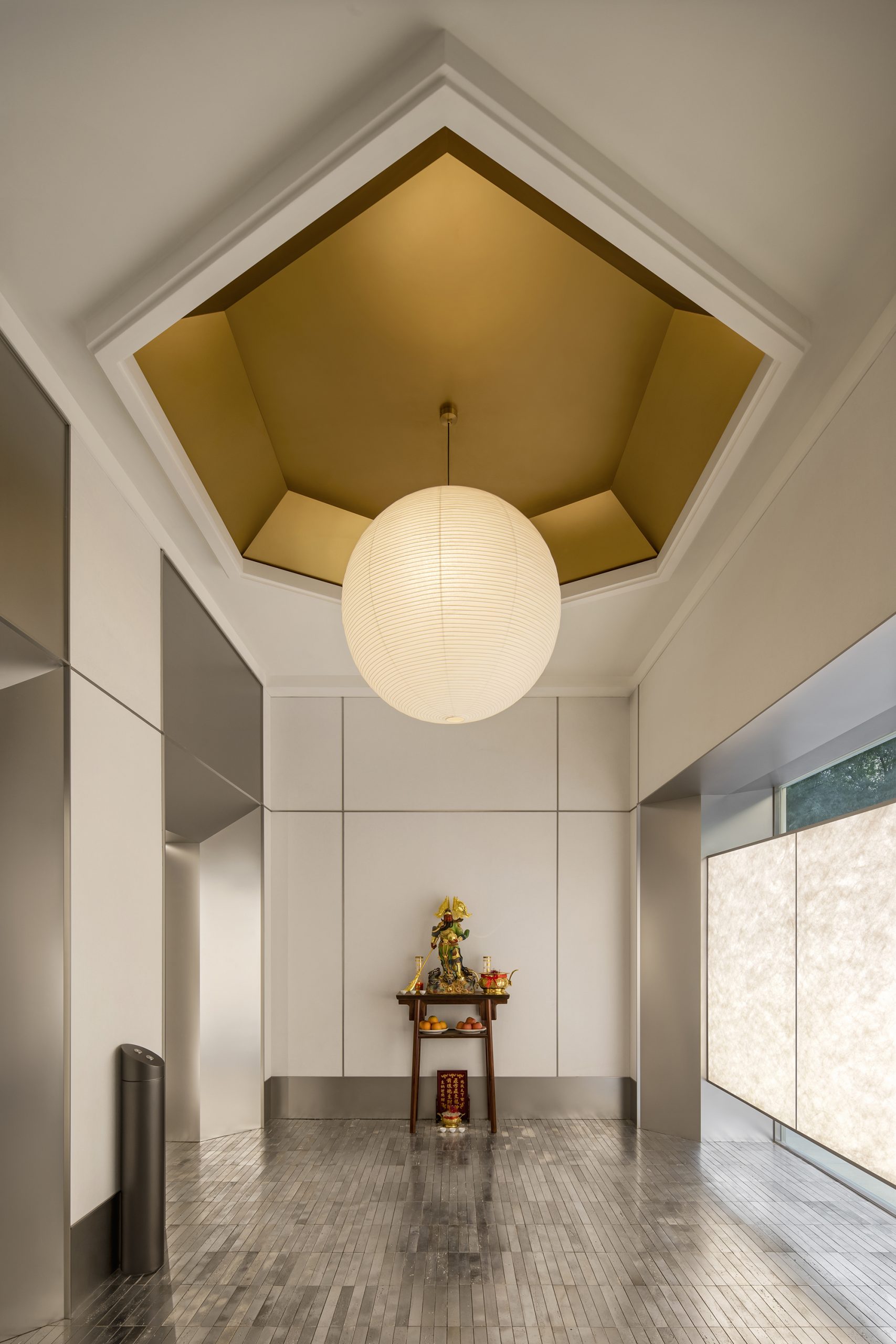
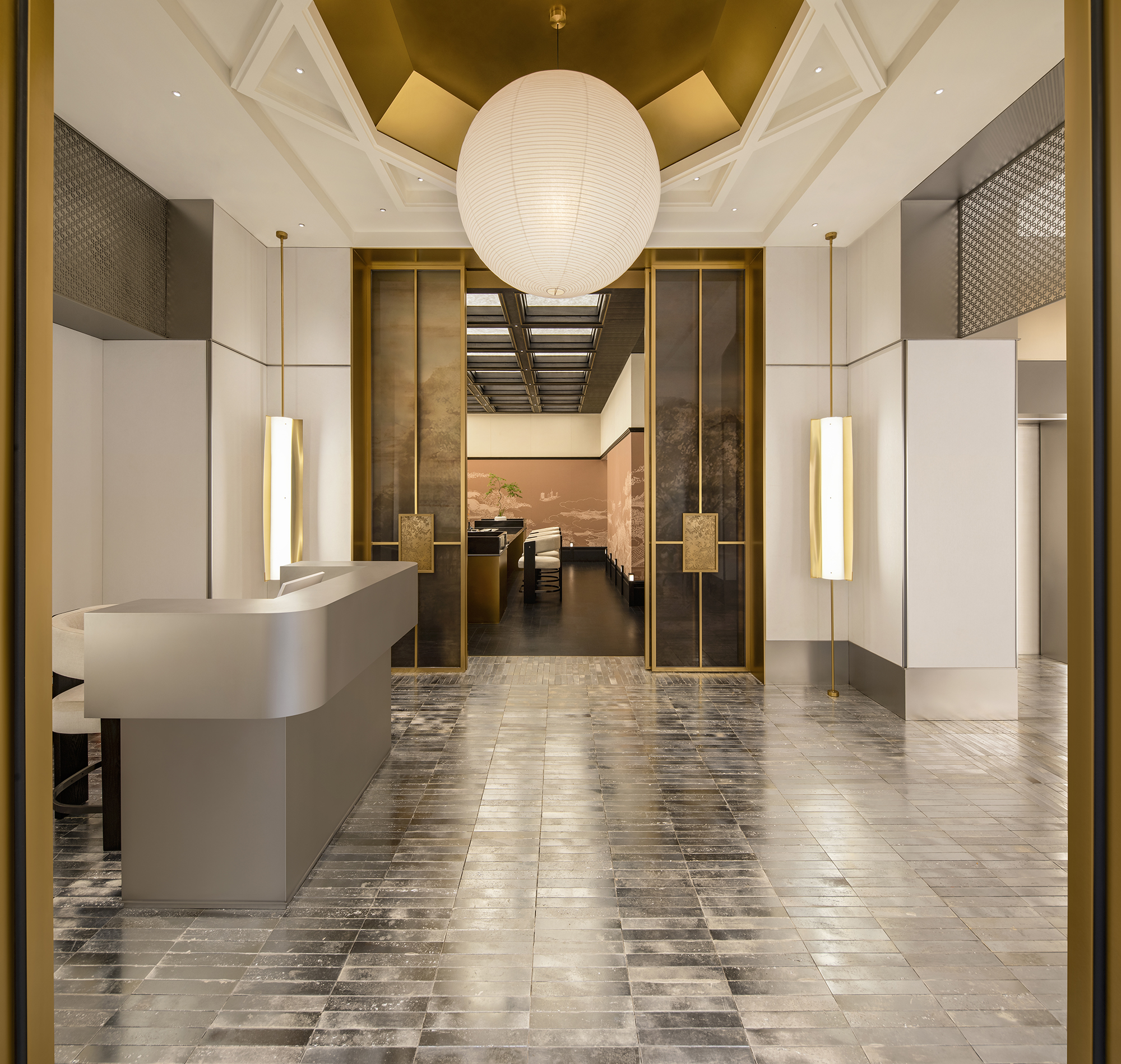
Upon entering the ground-floor foyer, guests are greeted by a reception desk on the left, tea rooms straight ahead, and an elevator to the upper dining areas on the right. Bright white lighting envelops the space, symbolising “daytime” in the design’s thematic cycle of the day. The interplay of gold and white defines a transitional space that evokes emotions. The ceiling design, inspired by the traditional caisson ceilings, subtly conveys a Chinese aesthetic of restraint and harmony, exuding dignified serenity.
In the interplay of light and shadow, the shifting atmosphere unfolds with a ceremonial sense of progression. A curved screen art installation breaks visual conventions, generating a subtle ambiance along with elegant soft curtains and reflective stainless steel, imbuing the dark green space with a sense of sanctity. The green tones extend the design concept, echoing the “morning” phase of the day.
-
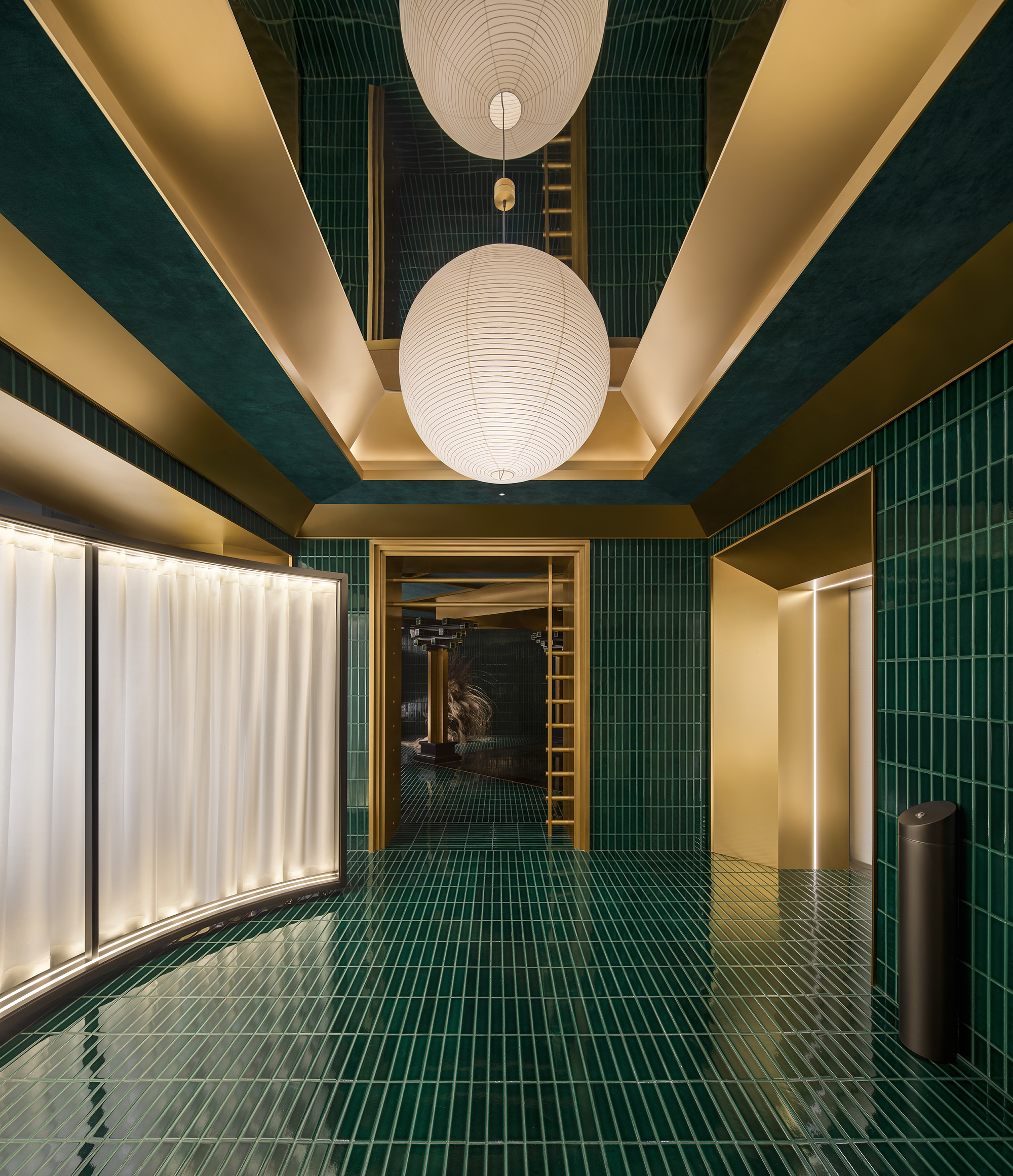
- Photo credit: Sean
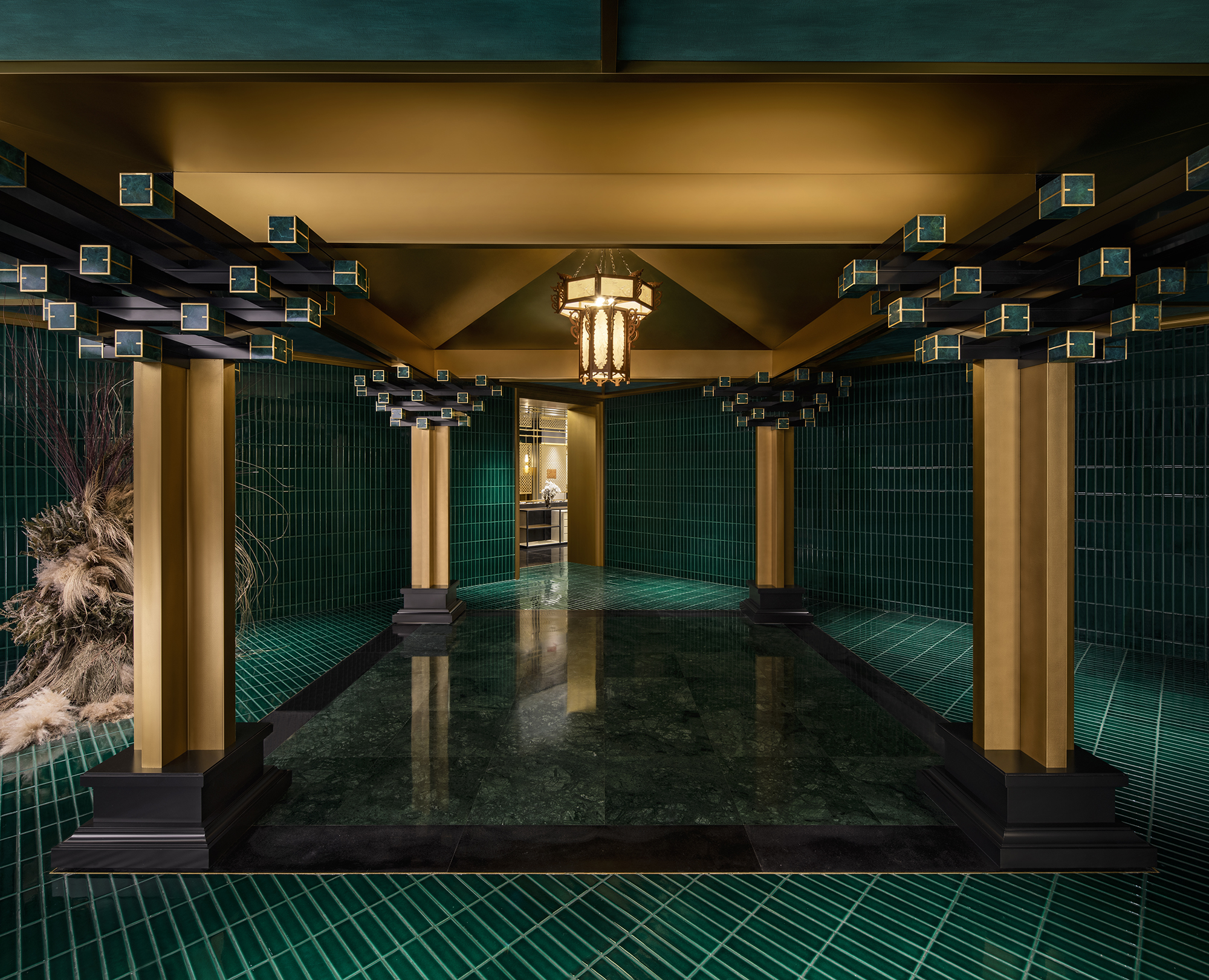
As guests traverse a serene “lake of green water,” a copper sliding door set between green bricks opens up the “View the Garden” journey. Four traditional Chinese mortise-and-tenon columns, featuring brass shafts, green capitals, and sculptural bases, support the structure of the “water courtyard.” These elements, alongside antique lanterns and quaint chairs, echo Lingnan architectural traditions through a modern deconstructivist approach.
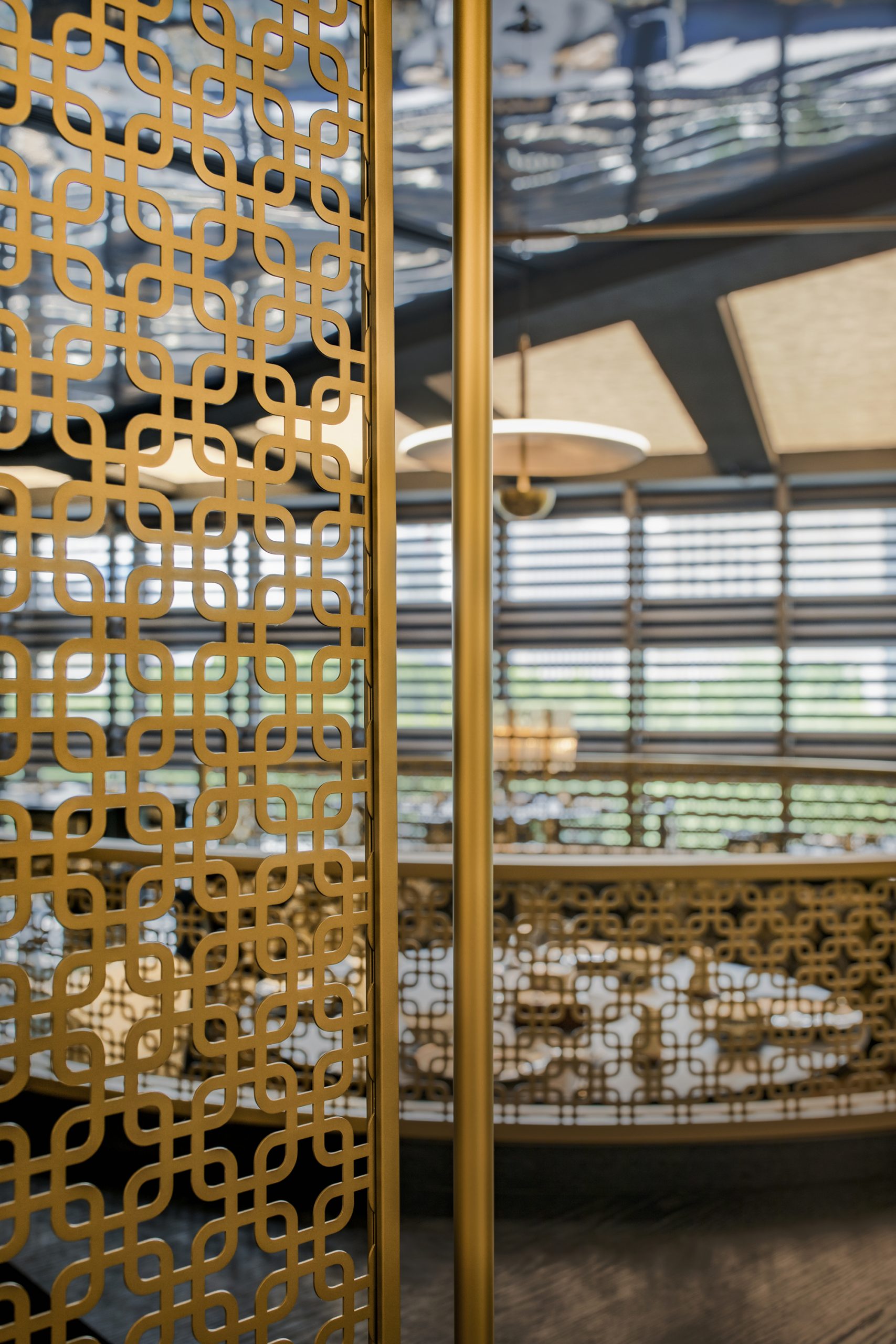
Through a narrow door, the open, expansive “flat courtyard” suddenly comes into sight. Inspired by Lingnan courtyards nestled within lush greenery, this dining area features mirrored stainless-steel ceilings and green tiles, visually extending the space and adding depth. Guests feel like stepping into a garden veranda, enjoying an elegant experience like mooring on mirrored water. Chinese-style screens are thoughtfully placed between booth seating, offering subtle spatial separations while ensuring connectivity and movement. These screens provide diners with a balance of privacy and openness, exuding an understated elegance.
-
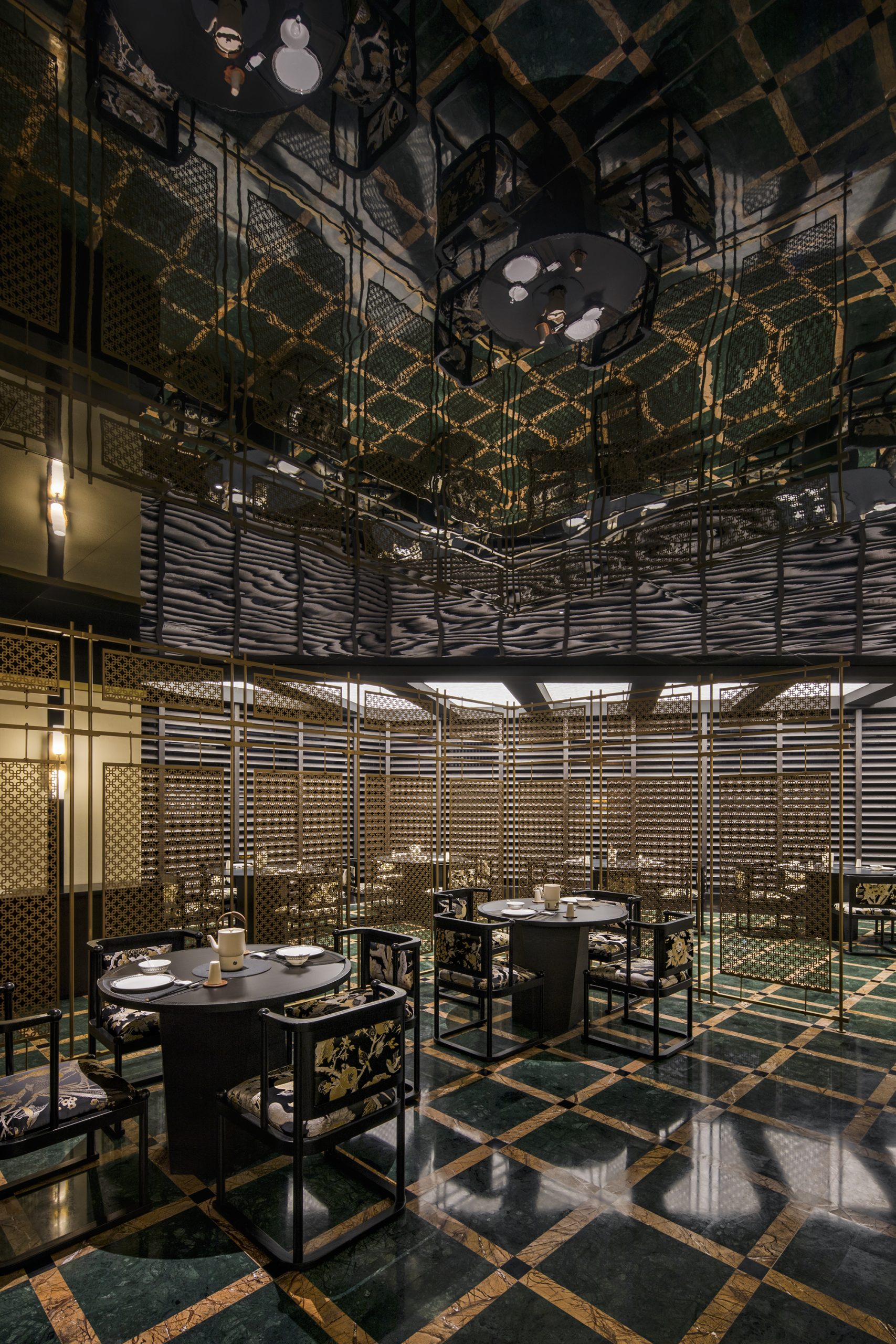
- Photo credit: Sean
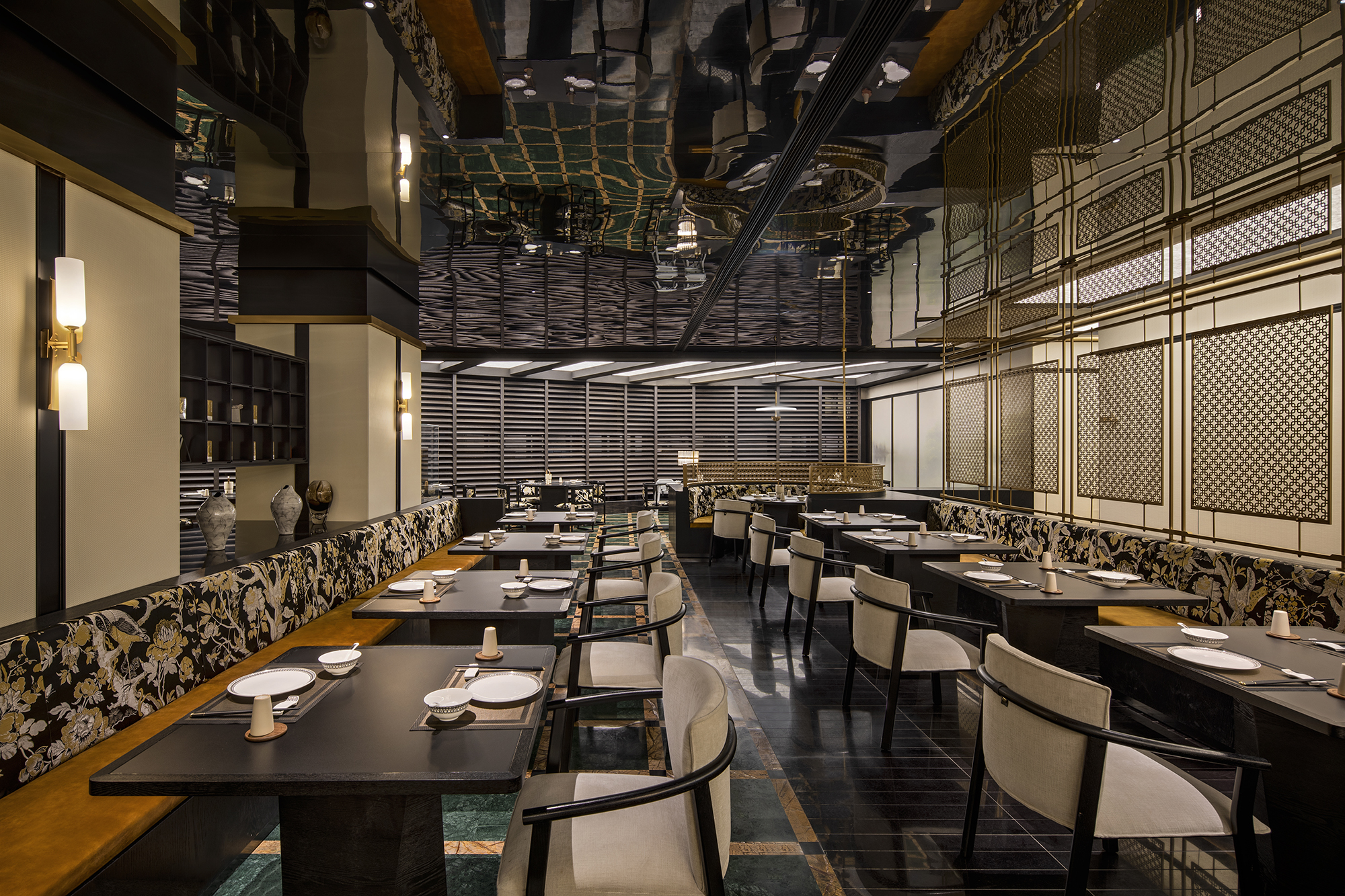
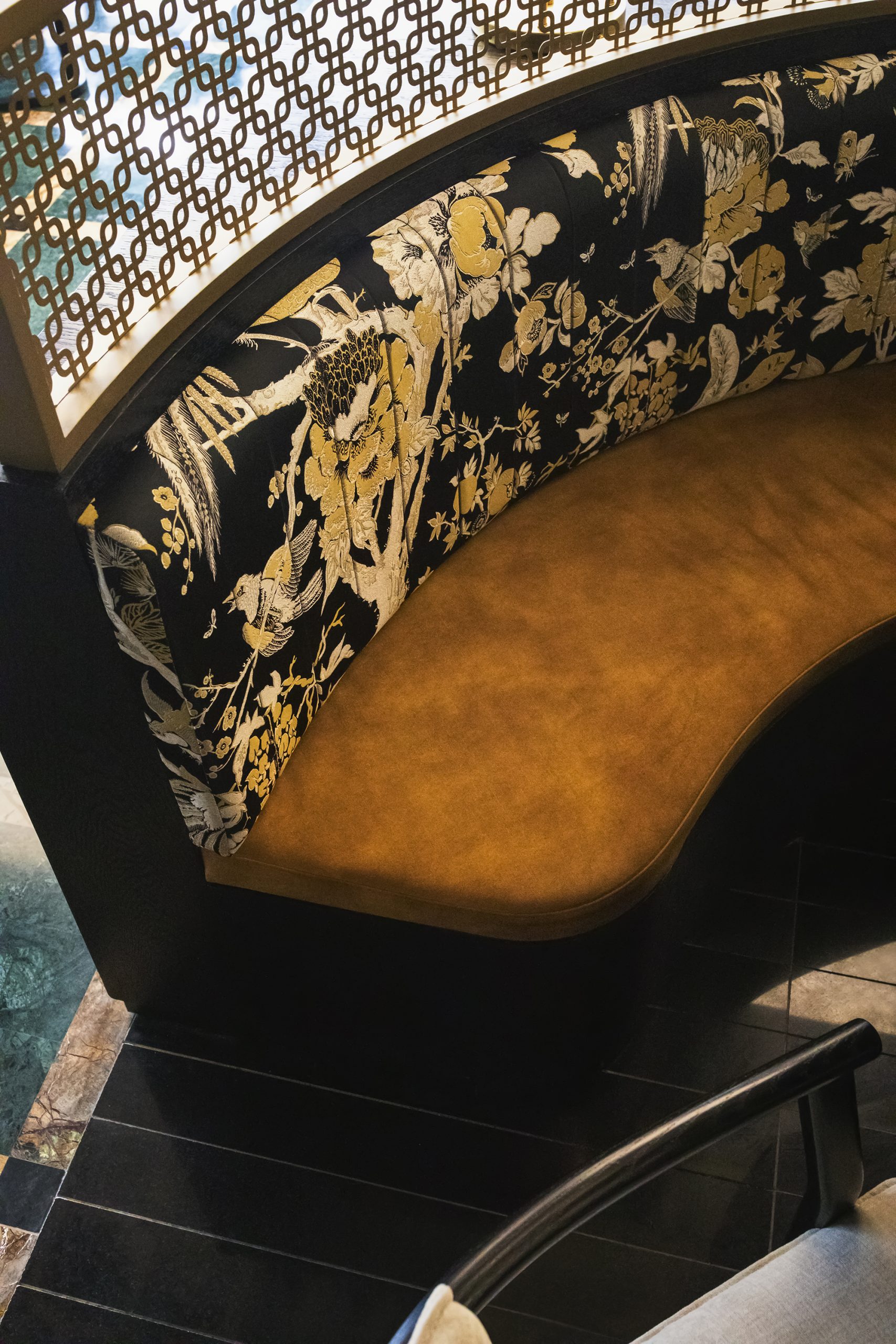
The metal screens’ intricate hollow patterns, along with the metal tubular lighting fixtures across the space, symbolize good fortune while reflecting a modern take on traditional culture. Upholstered furniture in sophisticated black and gold embroidery evokes the fullness of the “dusk,” harmonizing with the space’s elegant and grand atmosphere. Newly added beams, integrated with lighting, harmoniously blend with the original structures, endowing the interior with vitality that grows outward. Views and sunlight from outside are filtered through wooden grilles, offering a delightful experience, allowing the space to breathe with nature.
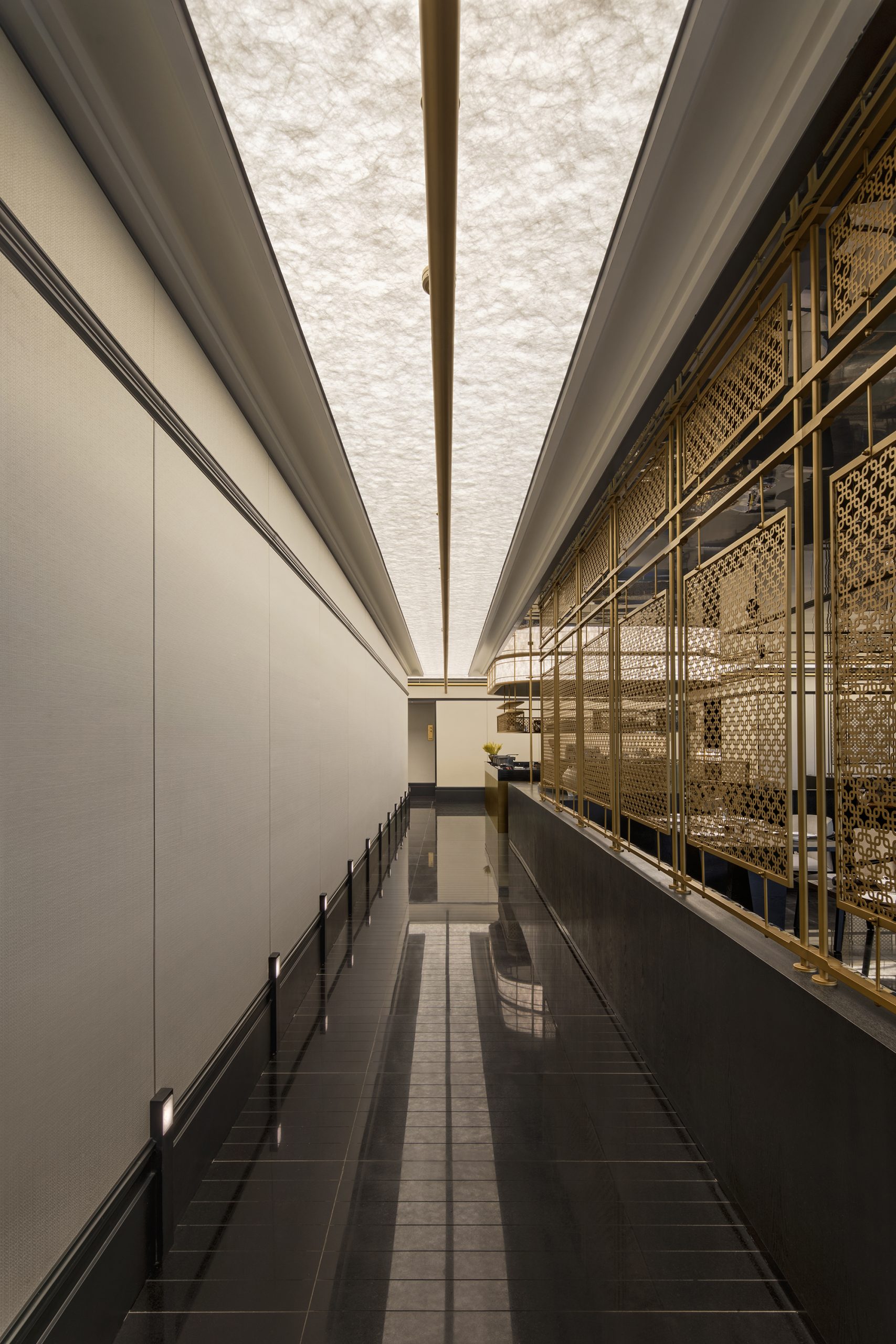
Winding passages with a ceremonial feel lead to various “courtyard houses.” Black oak wood, accented with ink-toned lines and expansive blank surfaces, evokes the formless yet profound philosophy of Chinese aesthetics. Instead of traditional point lighting, membrane lighting ceiling guides the pathways with a magnificent, minimalist elegance. The lines near the ceiling take design cues from the crown molding of Lingnan’s wok-ear architecture, complemented by delicate lighting fixtures, embodying a Chinese aesthetic of quiet elegance and purity.
-
- Photo credit: Sean
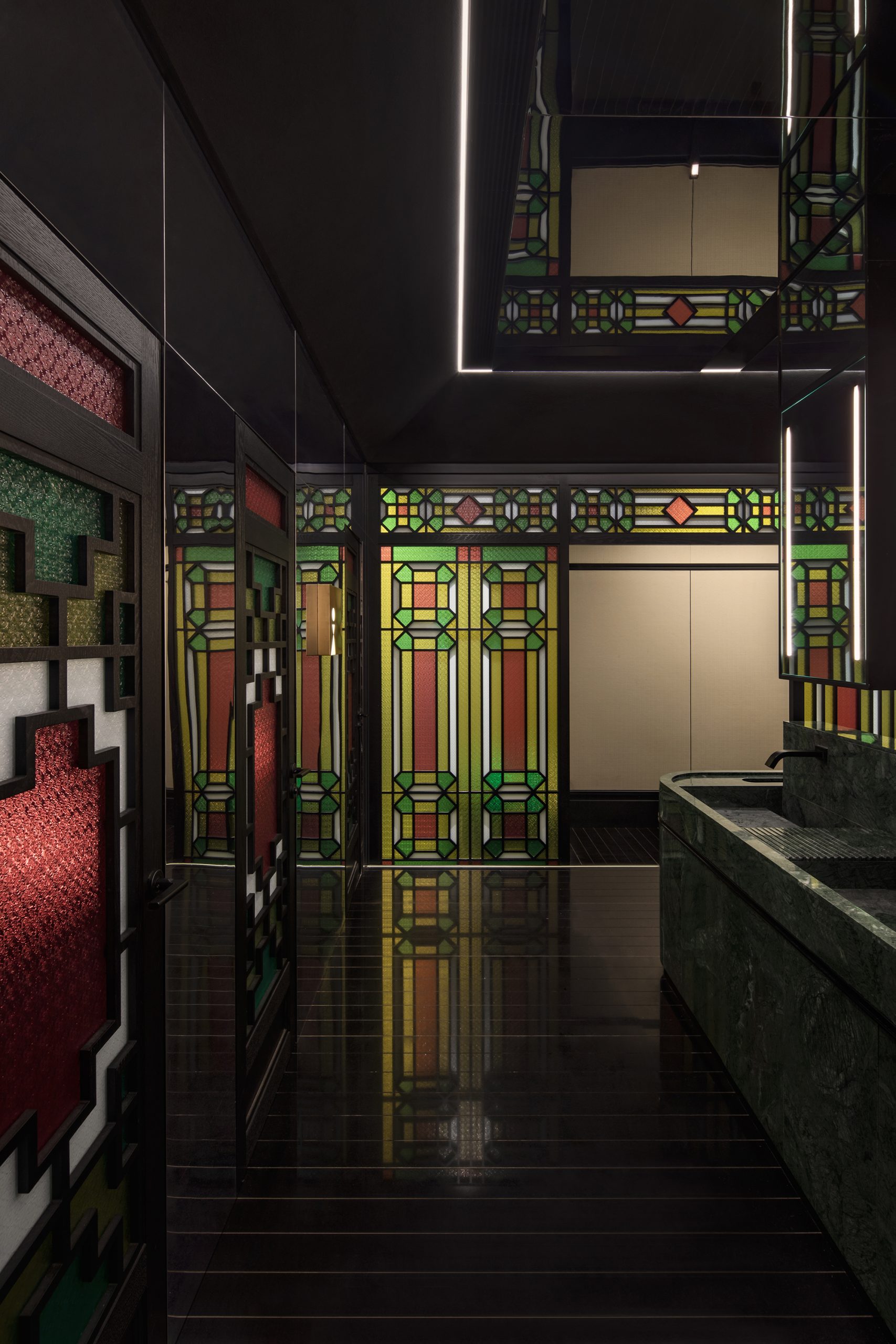
The contrast of light and dark reveals a hidden vibrancy, an artistic interplay of emptiness and abundance. A Manchurian window, imbued with a striking Lingnan style, hints at the unique rhythm of this space. Translucent artistic glass, wood textures, green jade, and auspicious flower mosaic walls merge seamlessly in the washroom area, embody a new interpretation of traditional cultural elements under the tension between black and red tones.
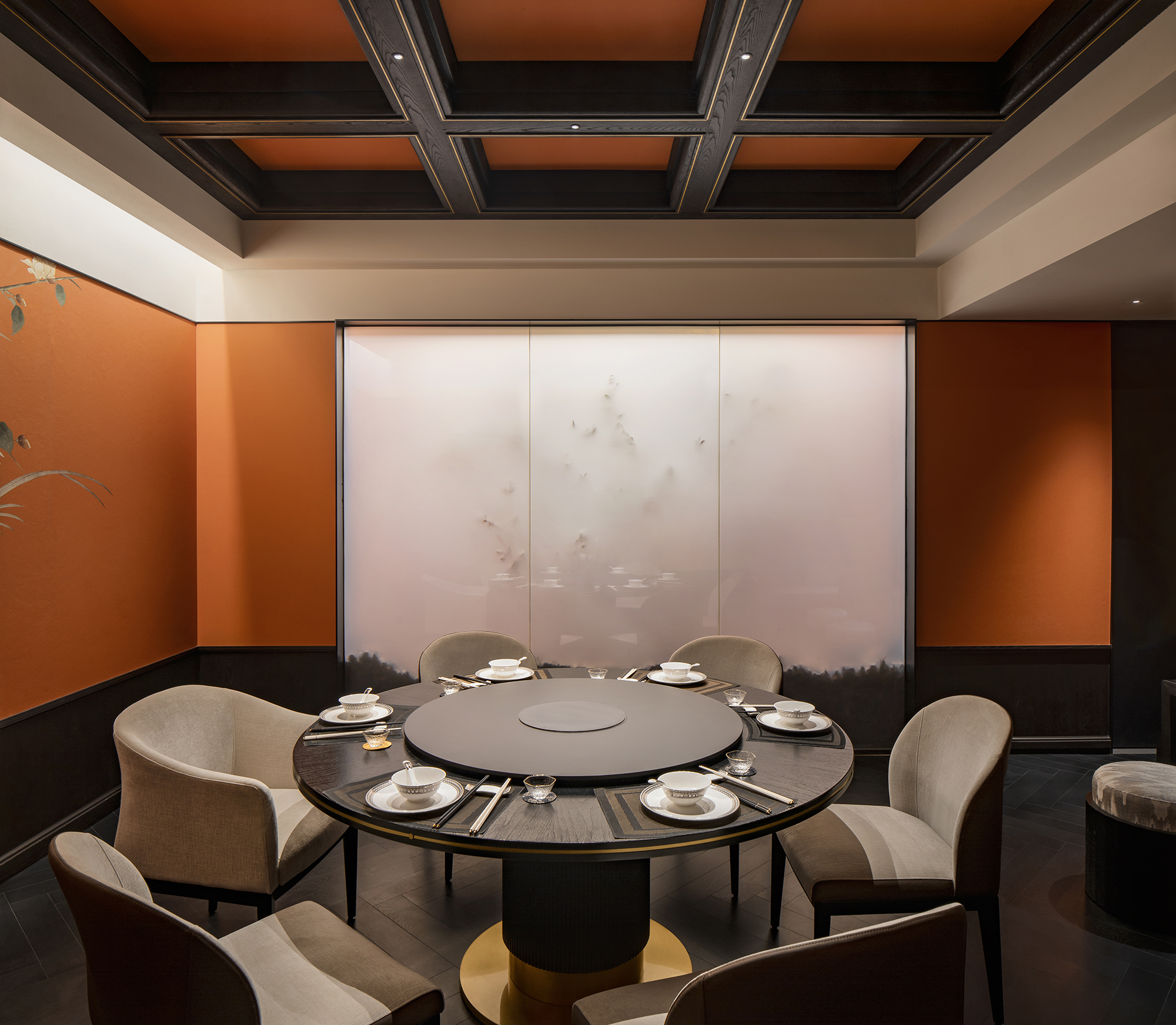
In contrast to the open dining area, private rooms are accessed through distinct pathways, conceived as a group of “courtyard houses” of varying sizes. Quiet and private, they exude the nobility of traditional Chinese private mansions. Each room is defined by a different high-brightness color palette, with the design drawing on Chinese aesthetics and incorporating the traditional caisson ceiling. The approach bridges the past and present, evoking a poetic vision of “capturing the changing day, along with the sun, moon, and stars.”
-
- Photo credit: Sean
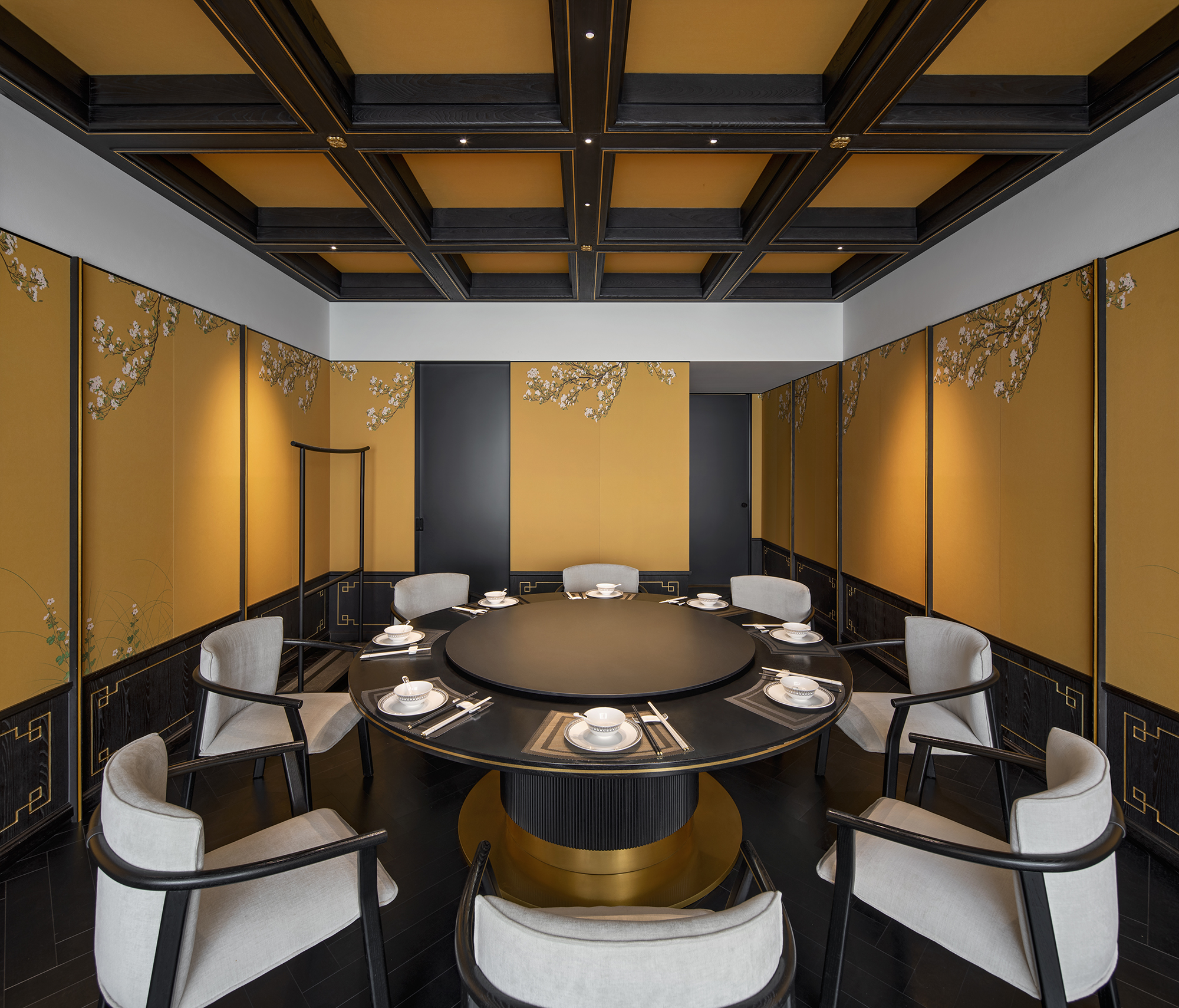
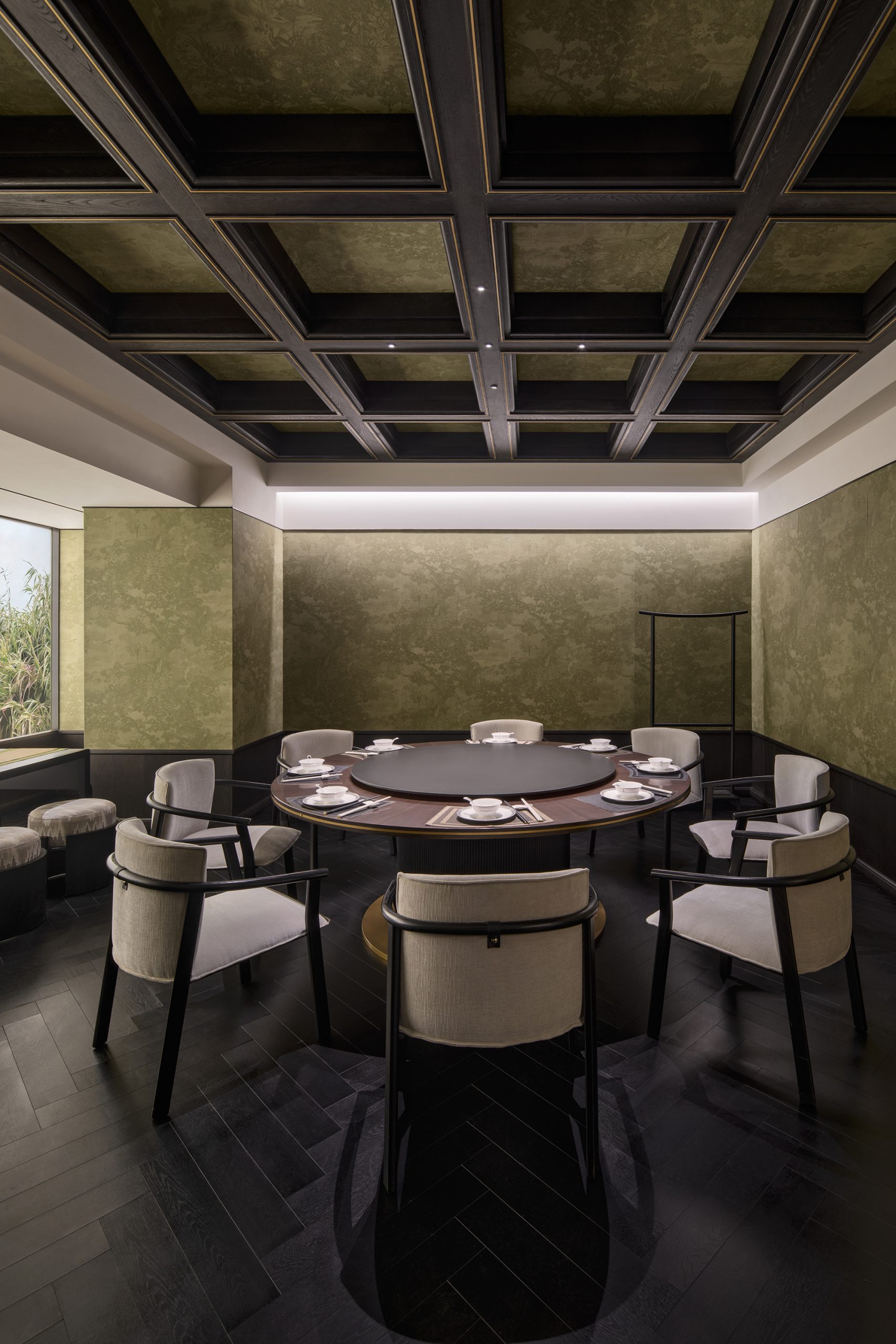
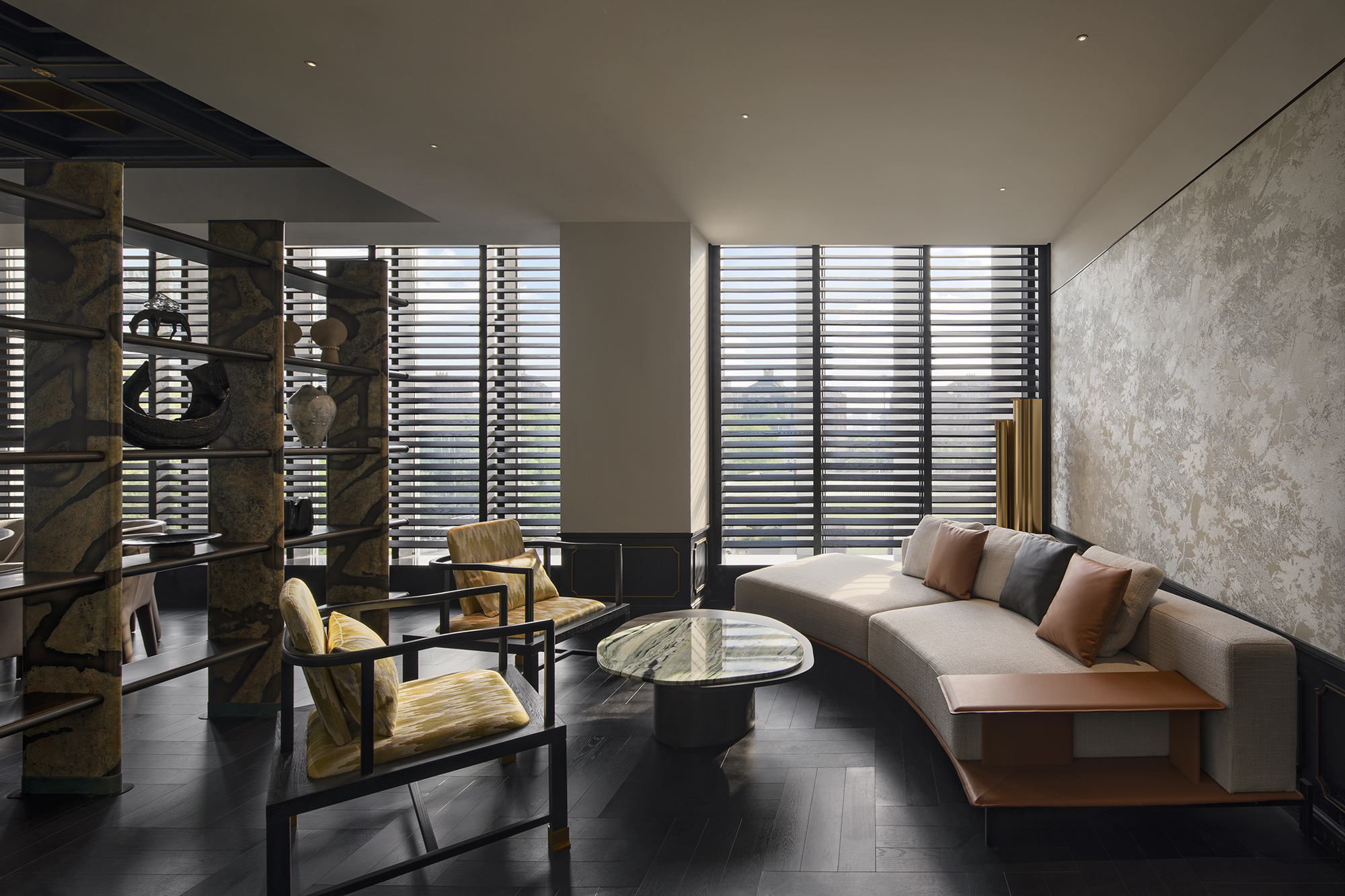
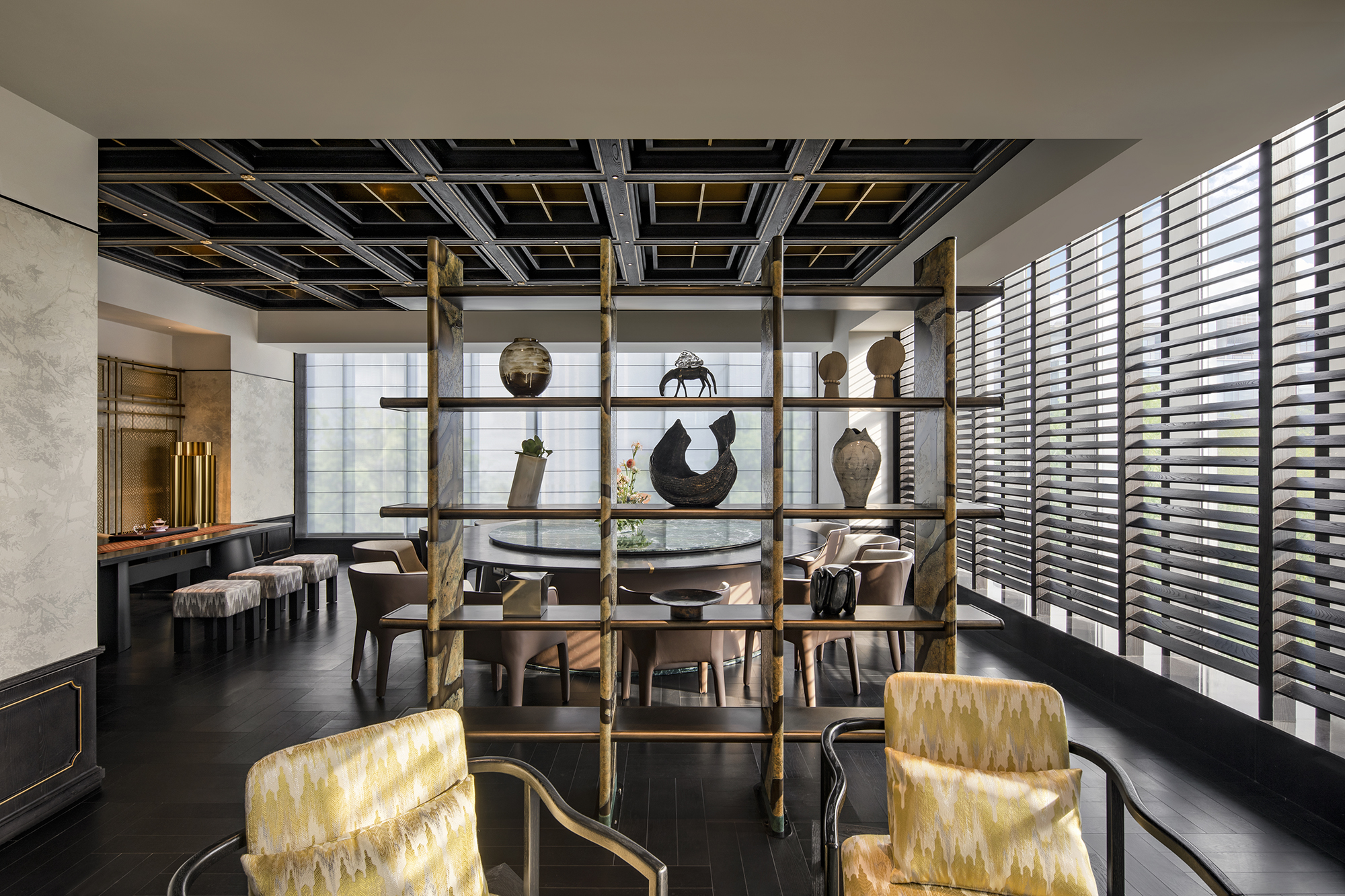
The rooms are named after Lingnan’s intangible cultural heritage and local customs, each with its unique charm. Guests seem to step into an ancient narrative, exploring the extraordinary culture and spirit of the region.
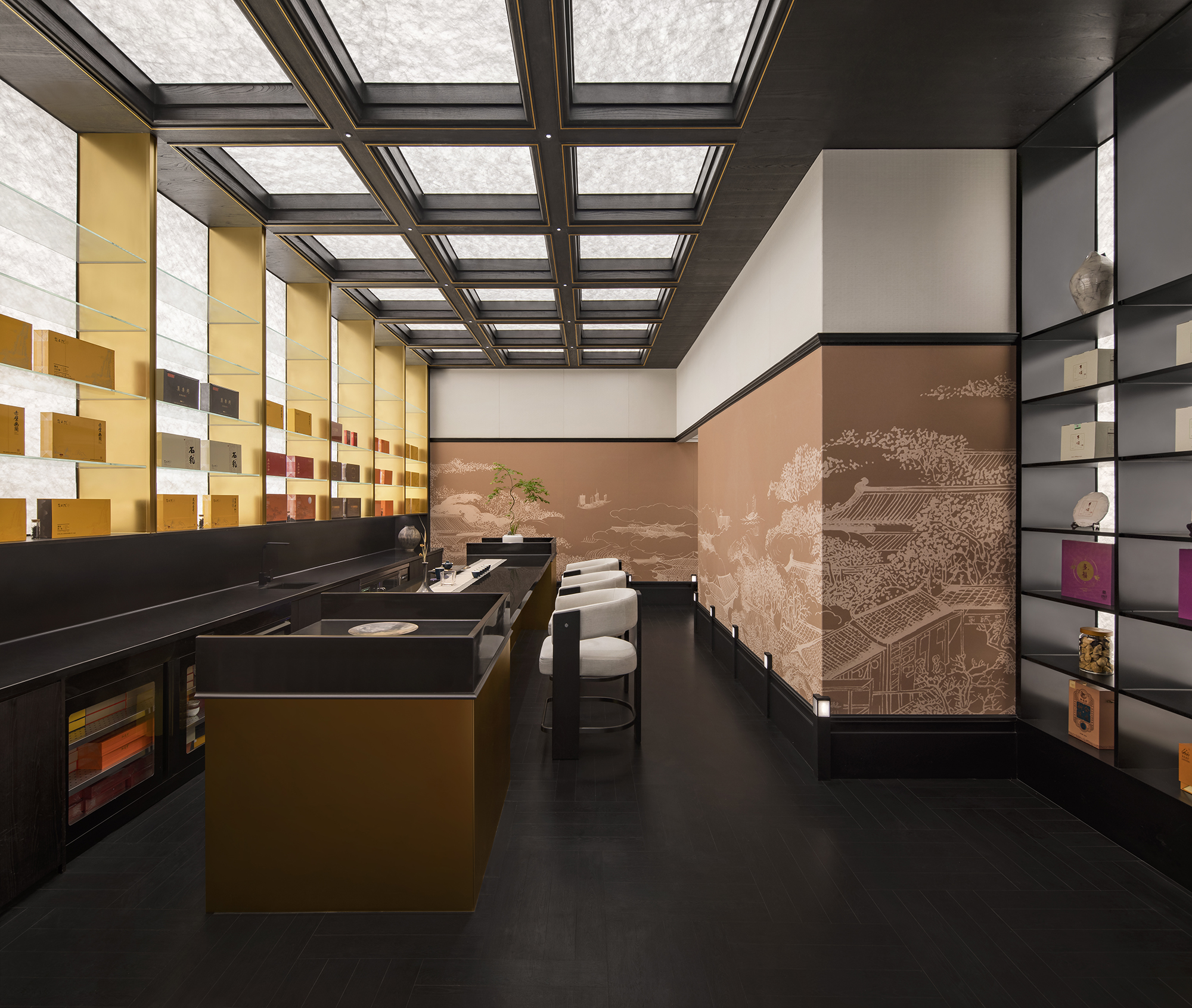
Located on the first floor, tea rooms are accessed via a corridor and a fabric-laminated glass door. Inside, a grid ceiling and Lingnan culture-inspired art walls enclose an open tea area. Private tea rooms provide intimate spaces for quiet conversations and meetings, naturally extending the refined elegance of Chinese aesthetics.
-
- Photo credit: Sean
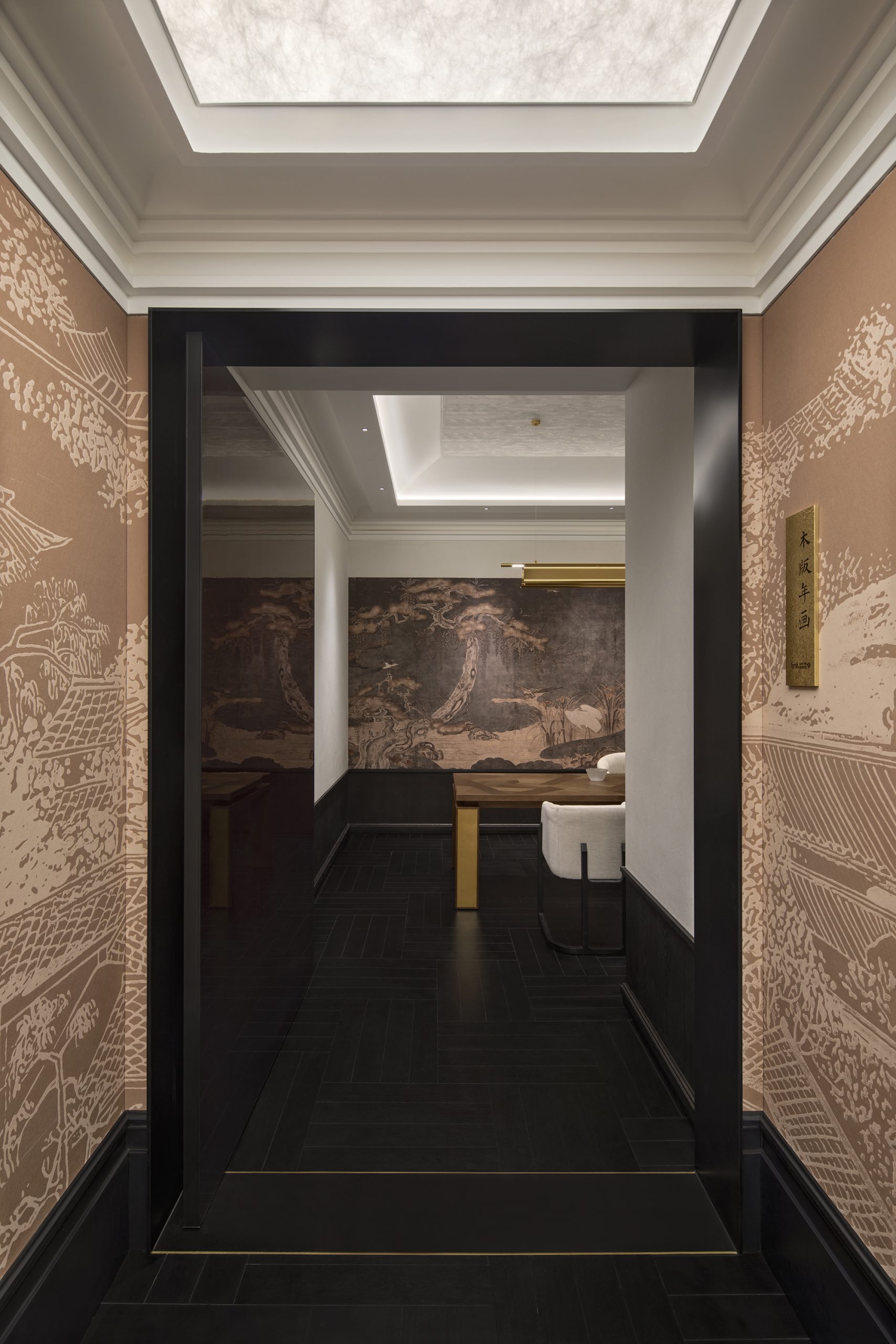
Throughout, SALONE DEL SALON crafted a secluded, tranquil Lingnan-style dining environment through architectural languages. The design evokes the passage of time, blending changing views of the day with an artistic atmosphere. This spatial narrative not only connects with the brand’s local genes but also stirs emotions, leaving a lasting impression on guests.


